Song Meaning
The narrator returns to a familiar, difficult place, a "valley of the bones," but feels a pull towards "higher grounds" and "home." This return isn't a simple homecoming; it's a descent back into a life of hardship, symbolized by a "bed o' nails and my leakin roof." The initial hope for escape is immediately undercut by the reality of returning to old struggles, suggesting a cyclical pattern of seeking solace only to find oneself back in familiar discomfort.
The core tension lies in the narrator's relationship with their past and their present state of mind. They attempt to "bury up the past," but it "came jumping up" with an almost vengeful energy. The repeated plea to "hold me sober and hold me still" and to "hold my past up against my will" reveals a struggle for control, a desire to be anchored while simultaneously being pulled back into old patterns. The line "Nothing's wrong when your head is gone" suggests a coping mechanism, a dissociation from reality where the usual anxieties and pains become irrelevant.
The lyrics employ striking, surreal imagery to convey this internal landscape. A "lighthouse in the wheatfield" appearing when the narrator "drove off the road" is a disorienting vision, a false beacon of hope that leads to "darkness in a hole." This descent into a "favorite place" that is "busted" and marked by "arson" paints a picture of self-destruction and ruin as a strangely comforting, albeit damaged, environment. The repeated assertion, "Nothing is a stranger to me now," becomes a chilling acceptance of this brokenness, a resignation to the familiar chaos.
This raw acceptance of a damaged reality is what makes the lyrics so potent. The narrator isn't seeking redemption or escape; they are articulating a profound familiarity with their own internal wreckage. The contrast between the initial desire for "higher grounds" and the eventual embrace of the "darkness in a hole" highlights a complex emotional state where the known, even if destructive, offers a perverse sense of belonging. The craft lies in the stark, almost matter-of-fact delivery of these disturbing images, making the narrator's resignation feel both personal and unnervingly resonant.
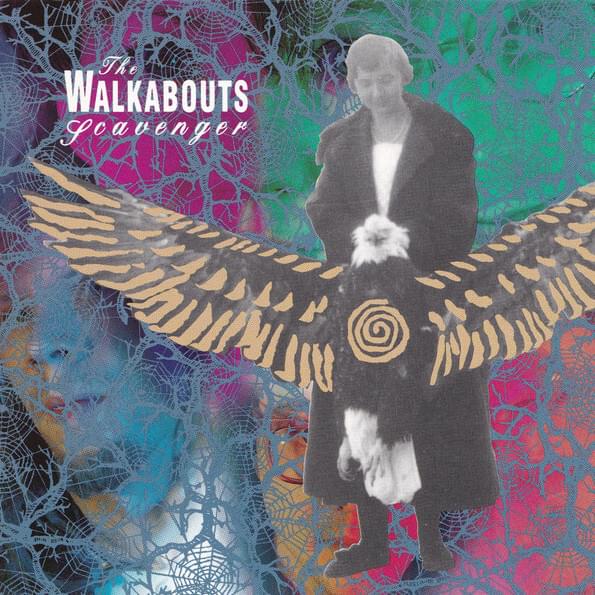
 View Artist