Song Meaning
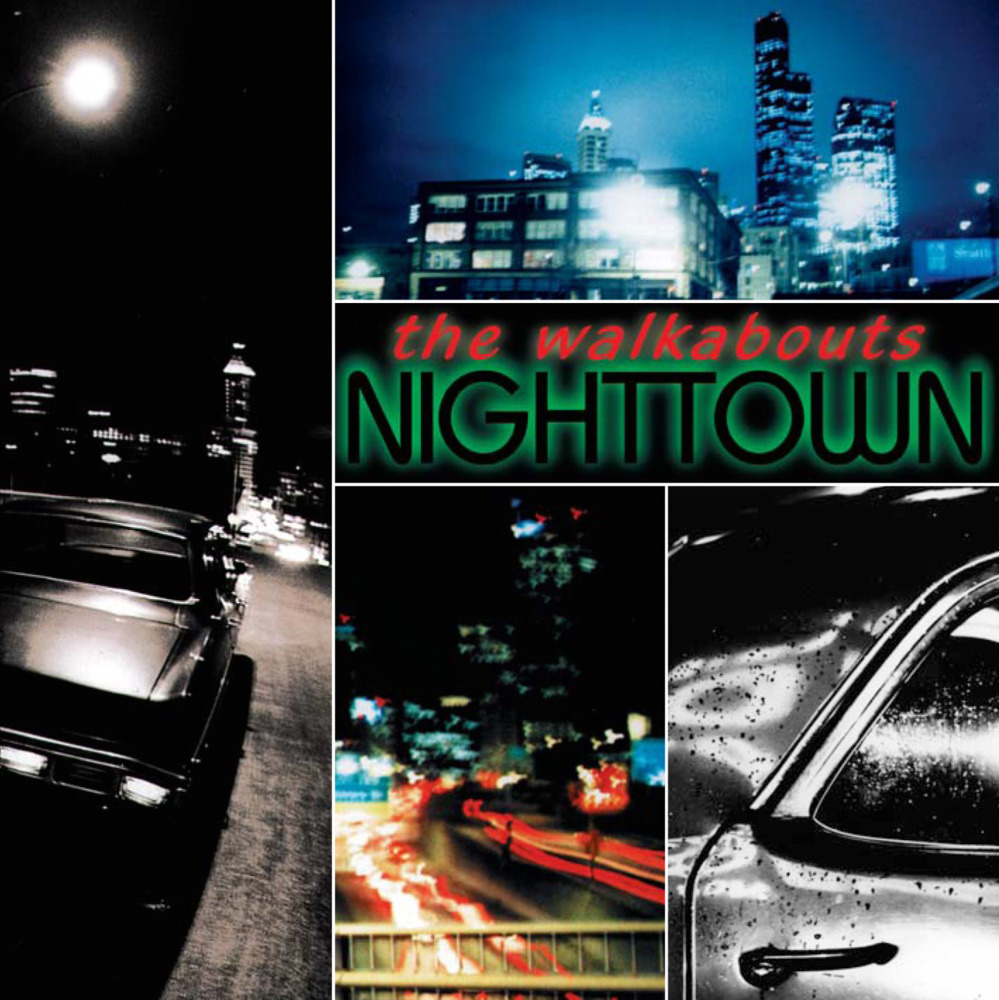
The lyrics paint a picture of a sweltering city night, a place where even the heat feels like a shiver. The narrator positions themselves as a guide, someone offering a missing piece, a solution to a problem the listener can't solve. This sets up a dynamic of dependence and perhaps desperation, with the narrator promising to lead the way through the oppressive atmosphere of summer.
The central tension lies in the contrast between the narrator's offer of guidance and the bleakness of the environment. The streets "don't seem so bright," and the invitation is to "follow every fucked-up fool tonight." This suggests the path being offered isn't necessarily a virtuous or safe one, but rather an escape into shared recklessness or a descent into the city's underbelly. The "angel" moniker feels ironic, a stark counterpoint to the "fucked-up fool" the narrator invites others to be.
The imagery of the "clocks have lost their hands" and "clouds take off their shirts" creates a surreal, timeless quality to the night. This distortion of reality amplifies the feeling of being adrift, where normal rules don't apply. The narrator's assertion that they "won't say no" and the mention of "places open late" further solidify the idea of embracing the night's chaotic possibilities, a stark departure from the mundane or the expected.
What makes these lyrics resonate is their ability to capture a specific kind of nocturnal allure. It's the pull of shared transgression, the thrill of finding camaraderie in a desolate urban landscape. The narrator's confident, almost seductive, invitation to embrace the darkness, despite its inherent dangers, taps into a desire for escape and connection, even if that connection is forged in shared foolishness.
 View Artist