Song Meaning
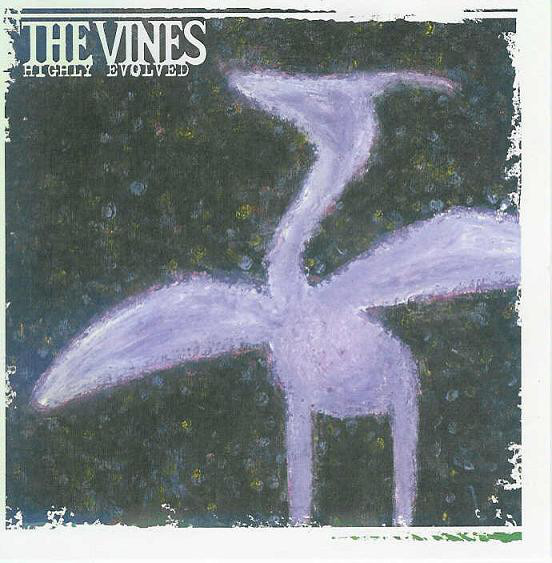
The narrator declares a state of being "highly evolved," a feeling of elevated contentment that contrasts sharply with the transactional nature of happiness suggested elsewhere. This initial declaration frames the song around a personal sense of peace, almost detachment, from the struggles others might face. The idea of time being an unsolvable riddle hints at a philosophical acceptance, a surrender to the unknown rather than a frantic pursuit of answers. It's a snapshot of someone feeling above the fray, unbothered by the usual anxieties.
The core tension emerges in the chorus, where the lyrics present a cynical view of emotional fulfillment: "If you feel low / You can buy love / From a payphone." This stark image suggests that genuine connection or happiness can be purchased, a commodity available to anyone willing to pay. The narrator's immediate counterpoint, "I don't feel low," positions them as someone who has transcended this need, or perhaps is simply observing it from a distance. The repetition of "Dreamin' for somethin', reachin' for somethin'" in the verses, followed by waiting for the sun, underscores a passive hope, a desire for external forces to bring about fulfillment rather than active striving.
The most striking aspect is the juxtaposition of the narrator's self-proclaimed "highly evolved" state with the bleak transactionalism of the chorus. The repeated phrase "Highly evolved" in the bridge becomes an anthem of this personal elevation, almost a mantra. This is further amplified by the mention of "brother Bill," who is presented as a direct target in life's "arrow," suggesting a more conventional, perhaps more difficult, human experience. The narrator's detachment from Bill's implied struggle, coupled with their own passive waiting, creates a subtle but potent commentary on different ways of navigating life's challenges – one through active engagement and potential pain, the other through a seemingly serene, perhaps even privileged, detachment.
Ultimately, the lyrics resonate because they capture a specific kind of aspirational detachment. The effectiveness lies in the stark contrast between the narrator's internal peace and the external world's commodified emotions. The simple, almost childlike repetition of "Highly evolved" and the passive waiting for the sun create a unique emotional texture. It's not about universal happiness, but about a personal, almost smug, feeling of having figured something out, or at least of being content in the not-knowing, while observing others' more desperate attempts to find solace.
 View Artist