Song Meaning
The lyrics paint a stark picture of scarcity and blame, centered around a repeated accusation. The opening verse hammers home a sense of insufficient resources, stating plainly "It's not enough for two." This refrain, repeated with almost desperate insistence, establishes a core tension: a fundamental lack that prevents shared existence or prosperity. The emotional tone is one of frustration and perhaps a touch of desperation, as the narrator grapples with this perceived deficit.
The central conflict emerges with the introduction of "Sarah." The narrator directly labels her "lazy," a charge that feels like a projection or an attempt to assign blame for the pervasive scarcity. The repetition of her name and the accusation in the chorus amplifies this, turning a personal grievance into an almost chanted indictment. It suggests a breakdown in communication or a refusal to acknowledge shared responsibility for their situation.
The most striking aspect of the craft here is the relentless repetition. The phrase "It's not enough" acts as a sonic and thematic anchor, underscoring the feeling of lack. This is mirrored in the obsessive repetition of "Sarah, you're lazy," which transforms the accusation from a simple statement into a desperate, almost ritualistic plea or condemnation. The lyrics offer no further context, leaving the listener to infer the nature of this "not enough" – be it emotional, material, or relational – and the narrator's deep-seated frustration.
This direct, almost brutal simplicity is what makes the lyrics hit hard. There's no room for nuance or ambiguity; the narrator is stuck in a loop of perceived insufficiency and the pointed finger at Sarah. The raw, unvarnished delivery of these lines, especially the escalating chorus, captures a potent feeling of being trapped by circumstances and the emotional fallout of assigning blame. It’s a snapshot of a relationship or situation teetering on the edge, defined by what’s missing and who’s to blame for it.
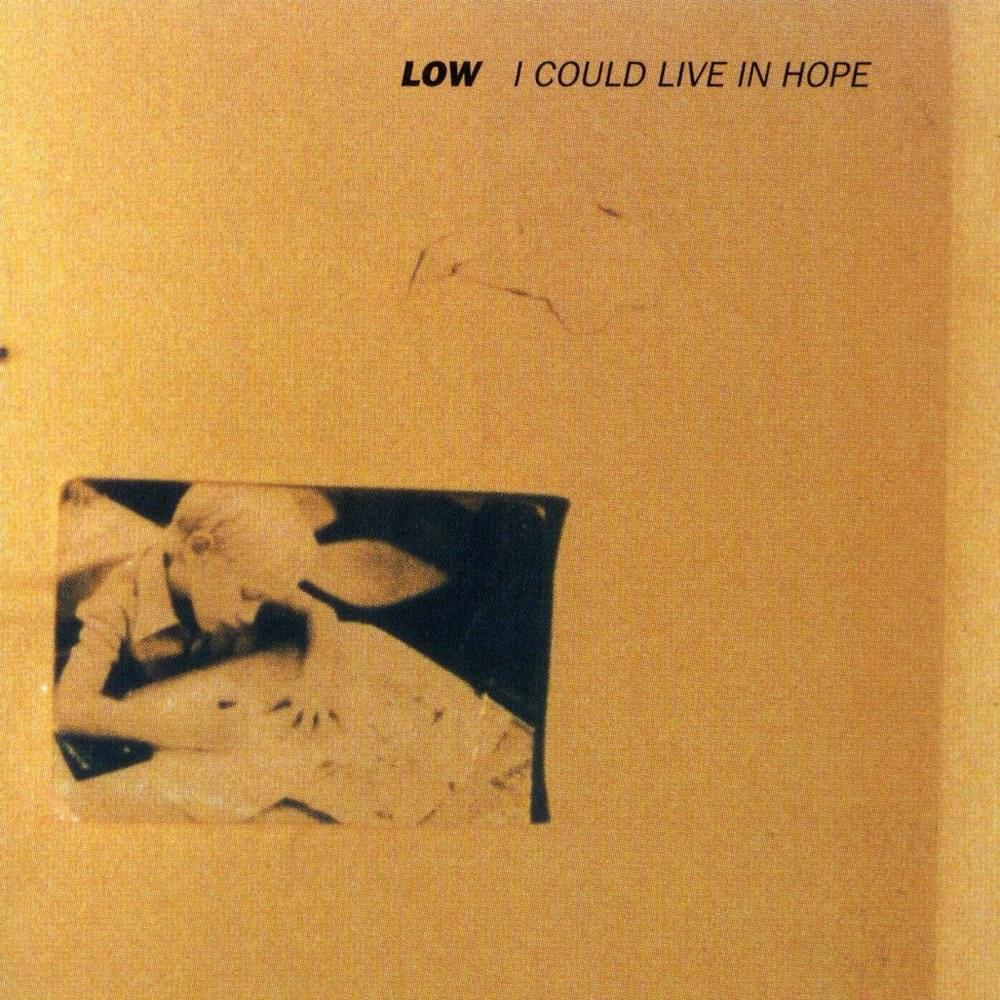
 View Artist