Song Meaning
The lyrics present a stark, almost defiant instruction to laugh in the face of heartbreak. It’s not about genuine joy, but a performative act of resilience. The opening lines immediately personify love as a cruel entity that has caused pain, setting up the central paradox: to mask the hurt inflicted by love, one must actively laugh.
This forced laughter becomes a shield. The narrator urges the listener to laugh so that 'they' don't know he hurt you, and to pretend 'true love will come again.' There’s a palpable tension between the internal devastation – 'your heart is breaking in two,' 'the one you love is really gone' – and the external performance of mirth. The repetition of 'laugh, laugh and laugh' emphasizes the compulsive nature of this coping mechanism.
The most striking element is the transformation of laughter itself. Initially a command to conceal pain, it shifts when the narrator reveals a shared experience: 'Laugh with me, cos you see / I've been there too.' This communal aspect, though born from shared suffering, offers a sliver of connection. The final stanza suggests a potential, albeit ambiguous, shift, where the act of laughing, even if initially forced, might lead to a genuine, albeit different, kind of laughter: 'Love laughed, it's true / But look at you / Now you're laughing too.'
Ultimately, these lyrics resonate because they articulate the difficult, often performative, struggle to maintain composure after profound loss. The writing captures the internal battle between succumbing to despair and the human impulse to project strength, even if that strength is a carefully constructed facade. The transformation from a command to laugh at sorrow to a shared, perhaps cathartic, laughter offers a complex, hard-won resolution.
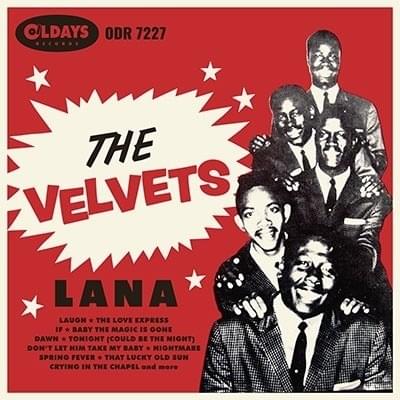
 View Artist