Song Meaning
The lyrics paint a portrait of deep self-alienation, centered on a character named Candy who expresses profound dissatisfaction with her physical form and the demands of existence. The opening lines immediately establish a tone of weary resignation, where Candy feels burdened by her own body and the societal expectations it entails. This isn't just a fleeting bad mood; it's a fundamental disconnect, a desire to escape the self that feels inescapable.
This internal conflict is amplified by Candy's yearning for an understanding of experiences she perceives others possess but keep hidden. The phrase "what others so discretely talk about" suggests a longing for a shared, perhaps more authentic, human connection or understanding that she feels excluded from. This fuels a sense of isolation, making her current reality feel even more unbearable and driving the central question: "What do you think I'd see / If I could walk away from me?"
The recurring image of the bluebirds serves as a poignant counterpoint to Candy's internal turmoil. She anticipates watching them "pass me by," a passive observation that hints at a deferred hope for change, perhaps "when I'm older." This creates a striking contrast between the natural, seemingly carefree flight of the birds and Candy's own stagnant, self-critical state. The lyrics also highlight her aversion to "quiet places" and "big decisions," revealing a fear of introspection and commitment that seems to trap her in a cycle of anxiety and indecision.
Ultimately, the effectiveness of these lyrics lies in their raw, unvarnished depiction of internal struggle. The simple, direct language, particularly Candy's repeated pronouncements, makes her feelings of self-loathing and detachment palpable. The central, haunting question about walking away from oneself resonates because it articulates a universal, albeit extreme, desire for escape from unbearable personal circumstances, grounded in specific, relatable anxieties about the body and the mind.
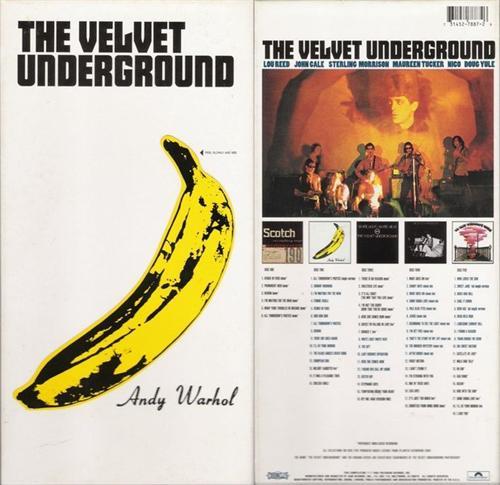
 View Artist