Song Meaning
The narrator is trapped in a cycle of isolation, finding solace only in the imagined permanence of night. The lyrics paint a picture of someone observing the outside world—people dancing, enjoying themselves—with a profound sense of detachment and longing. This yearning is directly tied to a specific condition: the closing of a door, which represents a barrier against the harshness of daylight and the perceived superficiality of everyday life. The repeated wish, "I wish it could happen to me," underscores a deep-seated desire for connection that feels perpetually out of reach.
The central tension lies in the narrator's paradoxical desire for both escape and connection. While they wish to avoid the 'day' and its perceived obligations or disappointments, they also express a hope for a specific kind of recognition: "someday I know someone will look into my eyes / And say hello -- you're my very special one." This suggests that the desire to hide from the world isn't a complete rejection of human interaction, but rather a desperate plea for a safe, intimate connection that feels unattainable in the 'daylight' world.
The most striking craft element is the recurring motif of closing the door as a gateway to an eternal 'night.' This isn't just about avoiding sunlight; it's about rejecting the 'day' entirely, a concept amplified by phrases like "say hello to never" and "drink a toast to never." The contrast between the vibrant, dancing people and the "gray in the rain" figures on subways highlights the narrator's perception of a world that is both lively and bleak, a duality they only seem to navigate by retreating into darkness. The bridge's observation that "people look well in the dark" offers a chilling rationale for this preference, suggesting a warped aesthetic where flaws and anxieties are softened by obscurity.
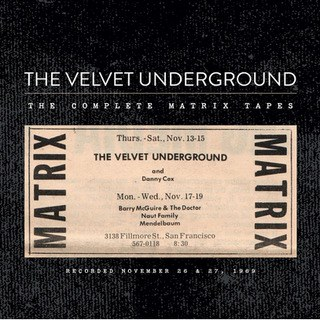
Ultimately, these lyrics resonate because they articulate a specific brand of social anxiety and introversion. The narrator isn't just shy; they feel fundamentally out of sync with the world, finding the effort of engaging too taxing. The repeated, almost incantatory, phrase "I'd never have to see the day again" becomes a mantra for escape, a desperate wish for a permanent sanctuary from a reality that feels too overwhelming and alienating. The live version's raw delivery likely amplifies this feeling of desperate, almost fragile, yearning.
 View Artist