Song Meaning
The narrator feels trapped, acknowledging a self-destructive impulse that’s tied to a specific person. The opening lines, "I'm fine from within / Just better without," set a tone of resigned acceptance, but this is immediately undercut by the visceral image of a "noose around my neck" that "is counting me out." This suggests a struggle against an overwhelming force, possibly internal or external, that’s leading to their demise. The recurring phrase "my beautiful sin" is particularly striking, framing a destructive behavior as something alluring and intrinsically linked to another individual, acting as a constant, painful reminder.
The core tension lies in the contrast between the desire for escape and the magnetic pull of this destructive relationship or habit. The lyrics state, "I fought my way in / But can't find a way out / Of this weightless regret." This highlights a feeling of being ensnared, where past efforts to break free have been futile, leaving only a pervasive sense of regret. The repeated assertion that "It's easy to cry for love / Far harder to try" underscores the difficulty of genuine effort and change, especially when confronted with the allure of the "beautiful sin."
The most poignant element is the recurring farewell to the "guiding light." This phrase, typically associated with hope and direction, is here presented as something lost or being let go. The repetition of "There goes my guiding light / Farewell my guiding light" transforms a symbol of salvation into an elegy for its absence. It seems the narrator is acknowledging that the very thing that could have saved them is now gone, perhaps because it was overshadowed by the "beautiful sin" that constantly calls them back.
What makes these lyrics so effective is their raw portrayal of self-sabotage and loss. The specific imagery, like the "noose" and the paradoxical "beautiful sin," grounds the emotional turmoil in concrete, albeit metaphorical, terms. The cyclical structure, with the repeated verses and the mournful refrain, mirrors the narrator's own trapped state. By framing destructive behavior as a "sin" that is also "beautiful" and inextricably linked to a person, the lyrics capture the complex, often irrational nature of clinging to what harms us.
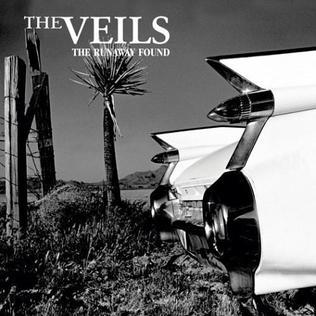
 View Artist