Song Meaning
The lyrics paint a stark picture of denial and accusation, centered around the repeated label of "winehead." The narrator insists, "I'm not a winehead," directly confronting Uncle Desmond. This simple, almost childlike repetition establishes an immediate tension, suggesting a deep-seated conflict over perception and identity. The narrator’s plea, "Don't call me no more winehead," highlights a desperate need to shed this imposed label.
The core of the song lies in the narrator's struggle against being defined by their past relationship with alcohol. While they admit, "Once upon a time I used to taste the wine," they emphatically state, "But now I no longer touch the bottle." This contrast between past behavior and present abstinence fuels the narrator's distress, making Uncle Desmond's continued accusations feel like a betrayal of their current reality. The repeated phrase "you get me dread, dread" underscores the emotional toll this conflict takes.
The most striking element is the lyrical inversion that occurs in the bridge: "Uncle Desmond, you are the winehead." This shift is crucial. It suggests the narrator is not just defending themselves but actively pushing back against the accuser, potentially projecting their own past or current struggles onto Uncle Desmond. This flip turns the song from a simple plea for recognition into a more complex confrontation, blurring the lines of who is truly trapped by the "winehead" label.
Ultimately, the effectiveness of these lyrics comes from their raw, direct confrontation and the subtle but powerful shift in perspective. The repetitive structure amplifies the narrator's frustration and desperation, while the bridge's twist reveals a deeper, more complicated dynamic. It’s this raw emotional honesty, grounded in a simple but potent linguistic battle, that makes the song resonate.
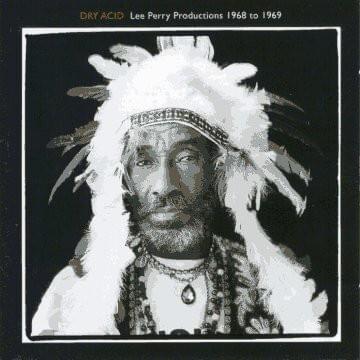
 View Artist