Song Meaning
The narrator paints a picture of a frustrating, unappreciative partner, labeling her a "worky ticket." This isn't about a literal ticket, but a person who causes endless trouble and disappointment. The opening scene with the ice cream cone sets the tone: a simple gesture of affection is met with rejection, establishing a pattern of unmet expectations. The narrator's attempts to please are consistently rebuffed, leading to his exasperation.
The central tension lies in the narrator's repeated efforts to appease this "worky ticket" versus her persistent dissatisfaction. He buys her treats, runs errands, and even buys her a watch, but nothing seems to satisfy her. The lyrics suggest a dynamic where his attempts at kindness are met with criticism or indifference, leaving him feeling unvalued and perpetually trying to fix things that are broken or don't fit, both literally and figuratively.
The most striking aspect is the recurring phrase "worky ticket," which acts as a refrain for his mounting frustration. It's a colloquialism that perfectly captures a person who is a constant source of hassle. The contrast between his actions—buying gifts, fetching drinks—and her reactions—not licking the cone, yelling, watching TV while he's out—highlights the one-sided nature of their interactions. The specific detail of her watching "Charles Dickens on the box" while he's sent on an errand adds a touch of mundane absurdity to his plight.
This song hits hard because it taps into the universal feeling of trying to please someone who is never pleased. The narrator's simple, direct language and the repetitive structure of the chorus amplify his exasperation. The narrative arc, from the ice cream cone to the broken watch, shows a steady decline in his patience, culminating in him walking out the door. It's this relatable cycle of effort and failure that makes the narrator's plight so resonant.
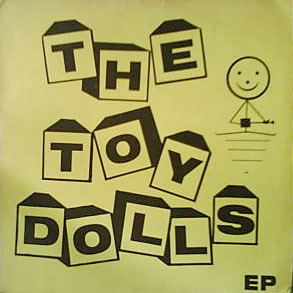
 View Artist