Song Meaning
The lyrics paint a picture of someone caught in a nostalgic haze, looking back at a past life that feels both distant and immediate. The opening lines evoke a sense of being overwhelmed by memories of past successes, a "tidal wave of faded glories," anchored by a specific location and a significant chunk of time that slipped away. This initial reflection sets a tone of wistful remembrance, tinged with the awareness of time's relentless march.
The central tension arises from a confrontation with someone who has also changed, or perhaps is perceived to have changed by the narrator. The repeated question, "Don't you realise you've really changed?" suggests a disconnect, a feeling that the other person is no longer who they once were, or that their current state is a betrayal of their past. This observation seems to interrupt the narrator's own reverie, introducing an element of conflict or disappointment.
The most striking element is the insistent, almost defiant refrain: "We'll dance, we'll dance 'til the tide creeps in." This repeated phrase, paired with "We'll laugh, we'll laugh 'til the tide creeps in," creates a powerful image of embracing the present moment, even in the face of change and potential loss. The encroaching "tide" acts as a metaphor for inevitable forces – time, change, perhaps even oblivion – that threaten to wash away the present. The act of dancing and laughing becomes a way to resist or ignore these forces, to find joy and connection before it's too late.
This lyrical construction is effective because it juxtaposes the narrator's internal reflection and external confrontation with a powerful, almost primal urge to simply exist and enjoy the moment. The repetition of the dancing and laughing, set against the impending tide, creates a sense of urgent, fleeting pleasure. It’s this deliberate choice to focus on immediate, sensory experiences as a response to the anxieties of time and change that makes the lyrics resonate, offering a cathartic, if temporary, escape.
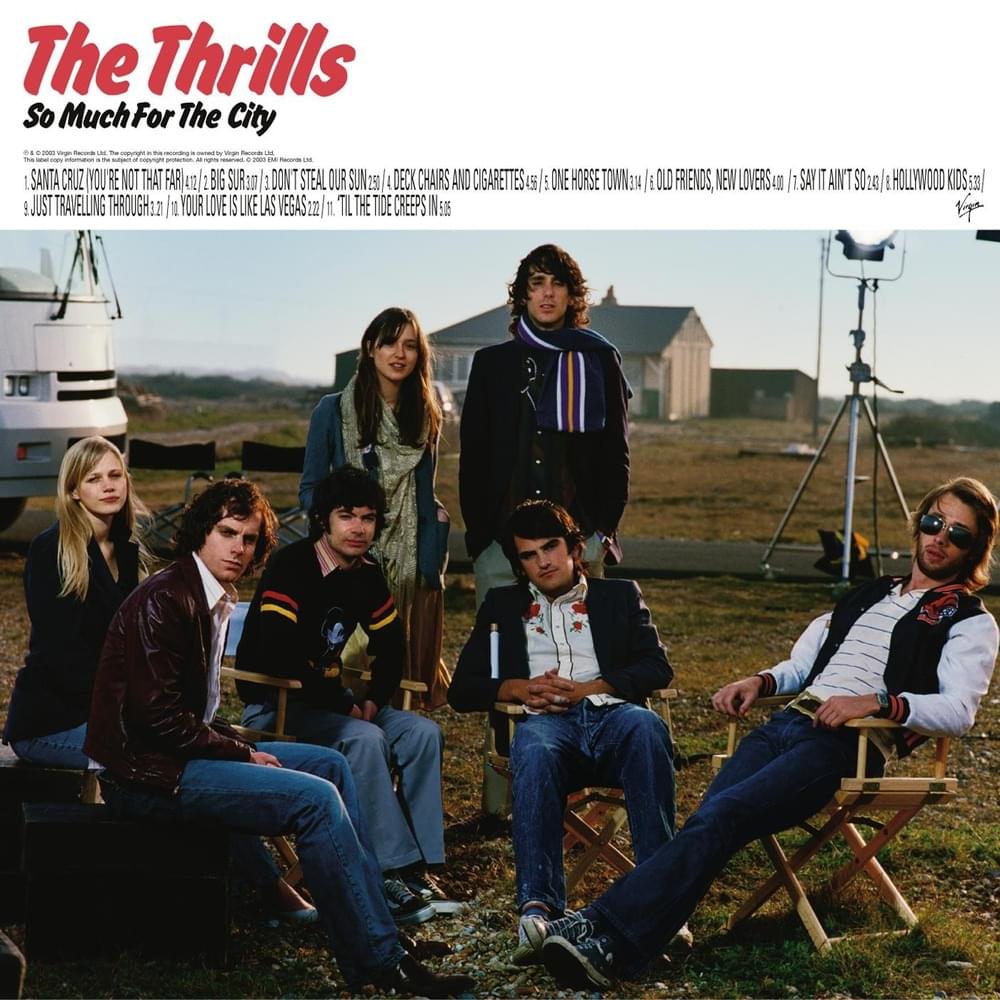
 View Artist