Song Meaning
The lyrics paint a stark picture of desperate flight, framed by an inherited sinfulness and an impending, crushing force. The opening lines, "We were born to sin," immediately establish a tone of fatalism, yet this is quickly complicated by a collective self-awareness: "We know everybody is." This suggests a shared human condition rather than individual guilt, a condition that has led to self-imposed isolation, symbolized by the "too many walls" that now necessitate escape. The urgency of their situation is palpable as they "gotta run" from a "giant fist."
The central tension lies in the desperate act of survival, particularly the narrator's burden of carrying a helpless baby. This act is juxtaposed with a grim pragmatism: "We don't carry dead weight long / We send them along to Heaven." This chilling line implies leaving others behind to save themselves, a necessary cruelty in their flight. The baby's vulnerability, with eyes that "can barely see" and a mouth that "can barely breathe," underscores the stakes and the narrator's protective instinct, a stark contrast to the harsh choices being made.
The most striking element is the recurring motif of "dirty god" and "dirty bodies," linked to the refusal to "apologize" or "deny." This suggests a rejection of external judgment or a specific moral code that condemns their existence or their actions. The narrator's fear of becoming a "white pillar of salt" – a biblical reference to Lot's wife for looking back in disobedience – highlights their determination to keep moving forward, to escape the past and its potential punishments. The act of "escaping so we won't have to die" becomes a defiant affirmation of life, even if it means embracing their perceived imperfections.
Ultimately, the lyrics resonate through their raw depiction of primal survival instincts clashing with moral compromise. The writing crafts an atmosphere of dread and grim resolve, where the immediate need to protect the vulnerable overrides abstract notions of sin or judgment. The refusal to look back, the burden of the child, and the embrace of their "dirty" selves coalesce into a powerful statement about choosing life in the face of overwhelming, existential threat.
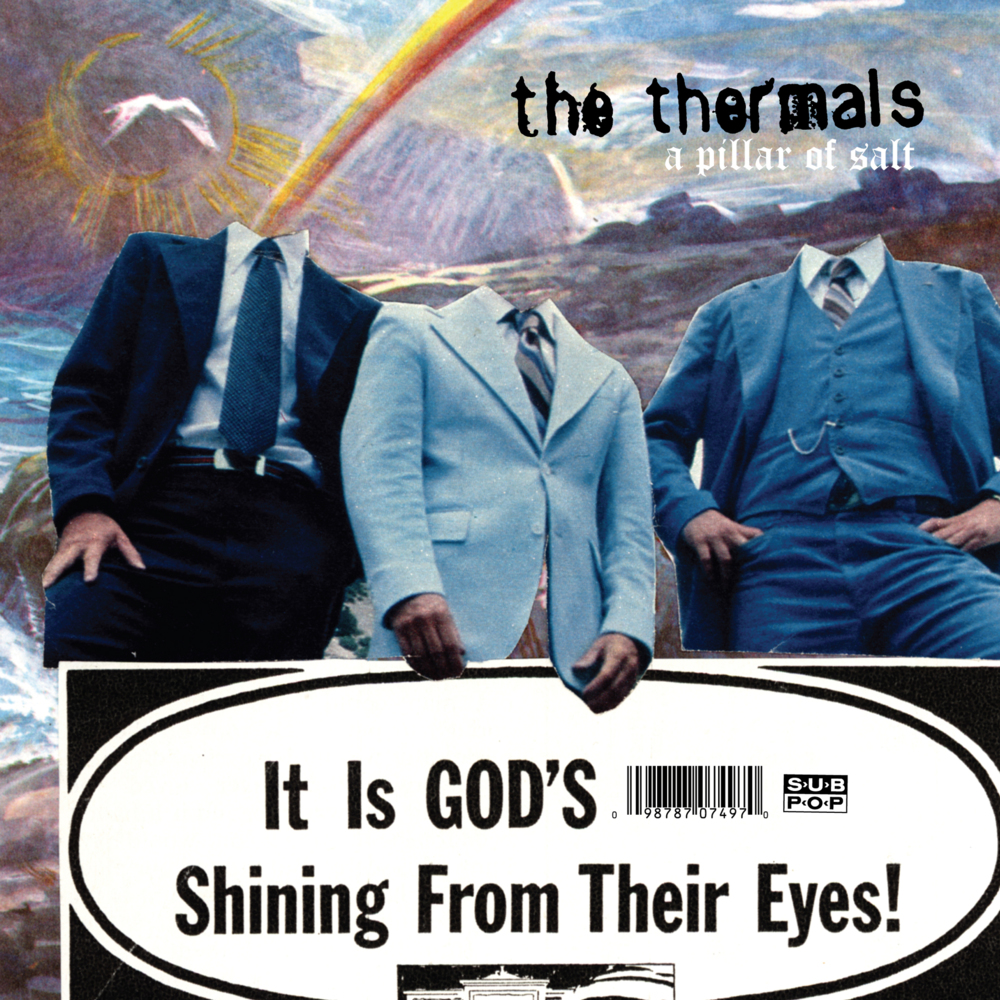
 View Artist