Song Meaning
The lyrics to "Sadness Pale" paint a stark picture of a life shadowed by early trauma and profound isolation. They open by questioning a "sleeping little child," immediately introducing a tension between innocence and a looming "non commital life." This sets a bleak emotional texture, hinting at a deep-seated struggle from the very beginning. The narrative quickly delves into a world where anger and self-reflection are intertwined.
The core conflict emerges sharply with the revelation of a dysfunctional family dynamic. The mother, initially presented as a helper, is quickly implicated in the child's suffering: "Mothers gonna make you sick ever since your father died." This line is a devastating pivot, suggesting that the very source of comfort became a source of illness, directly linked to a profound loss. The lyrics then explore the painful, almost involuntary act of "scratch[ing] your memories open wide," revealing a persistent, unhealed wound.
The lyrical craft truly shines in its use of unsettling, abstract imagery to convey internal states. Phrases like "tobacco stained rejections that you buy" are particularly striking. This isn't just about feeling rejected; it's about actively acquiring and internalizing a tarnished, inherited sense of worthlessness. It suggests a self-perpetuating cycle of despair, where the individual consumes their own negativity, leading to "spilling pockets full of sadness" as they contemplate a final farewell.
What makes these lyrics so effective is their unflinching portrayal of a life spiraling into despair, driven by a relentless series of rhetorical questions. The progression from a vulnerable child to an adult "floating in the madness" is chillingly rendered. The final, brutal observation — "You can have your celebrations, no one cares untill you die" — delivers a powerful, gut-wrenching sense of utter abandonment. It captures the crushing weight of invisibility, making the listener acutely aware of the character's profound isolation and the tragic irony of seeking attention only in death.
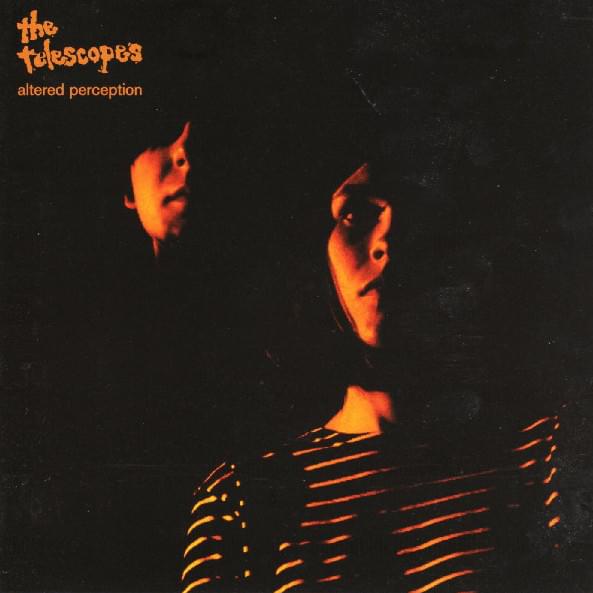
 View Artist