Song Meaning
The lyrics paint a picture of profound spiritual devotion, centering on the name and presence of Jesus. The opening lines establish an immediate, almost visceral sweetness associated with the very thought of "Jesu," suggesting a joy that surpasses earthly pleasures like honey. This initial sweetness is then elevated to glimpses of His presence, implying a deeper, more profound connection that transcends mere contemplation. The repeated emphasis on sweetness and bliss underscores the overwhelming positive emotional response the narrator experiences.
The central tension arises from the contrast between seeking and finding Jesus. The lyrics highlight His kindness and goodness to those who mourn and seek Him, offering comfort to the "souls forlorn." However, a poignant question is posed: "But what art Thou to them that find?" This rhetorical question suggests that the experience of truly finding or possessing Jesus in one's heart is beyond articulation, a state of being that surpasses even the sweetest thoughts and hopes.
The most striking craft element is the repeated assertion that Jesus's blessedness cannot be fully expressed by mortal tongues or written words. The final two stanzas build to this conclusion, stating, "No tongue of mortal can express / No letters write His blessedness." This limitation of language emphasizes the ineffable nature of the divine experience. The repetition of "Alone who hath Thee in his heart / Knows, love of Jesus! what Thou art" powerfully reinforces this idea, suggesting that true understanding and knowledge of Jesus are reserved for those who have a direct, internal connection with Him.
These lyrics are effective because they tap into a universal human desire for meaning and connection, framing it within a specific religious context. The progression from the sweetness of a thought to the inexpressible reality of finding the divine creates a compelling emotional arc. By acknowledging the limitations of language, the writing elevates the spiritual experience to a realm that feels both deeply personal and transcendent, leaving the reader with a sense of awe and wonder.
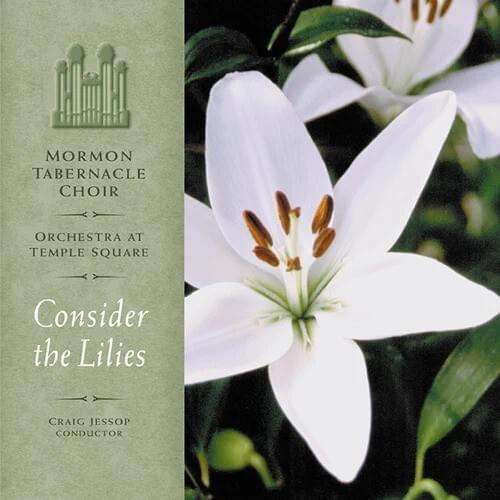
 View Artist