Song Meaning
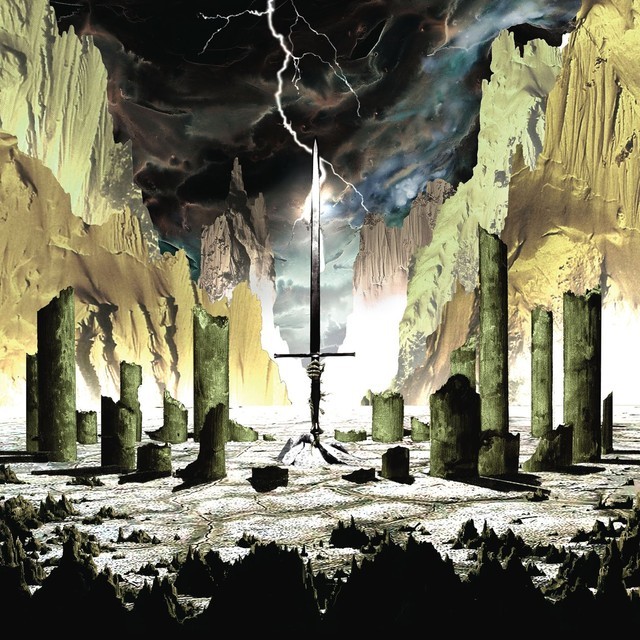
The lyrics paint a stark, mythic scene of a powerful, solitary figure and his followers. Black blades and commands suggest a grim, obedient force on a quest through harsh, frozen landscapes. This leader, emerging from "cities of darkness," is cloaked in "loneliness" and "solitude," yet has experienced both profound peace ("valleys of solace") and immense suffering ("fyres of the fallen"). The imagery is grand and foreboding, hinting at a cosmic struggle or a deeply personal, internal war waged with immense power.
The central tension arises from the stark contrast between the leader's personal state and his actions, and the mirrored, yet distinct, motivations of his followers. While the leader is adorned with "loneliness" and "solitude," his followers see it as "payment" and "due." They echo his journey through "valleys of solace" and "spires of sleep," but their purpose is to "conquer cowards and fools," a more aggressive, outward-facing goal. The narrator's final line, "And for your children I'll weep," introduces a moment of profound, unexpected empathy, a stark counterpoint to the surrounding darkness and conquest.
The most striking craft element is the deliberate mirroring and subtle subversion of the leader's identity by the collective "we." The repetition of phrases like "cities of darkness," "loneliness is his raiment/our payment," and "solitude is his jewel/our due" creates a powerful sense of shared destiny, but the shift from the singular "He" to the plural "We" highlights a divergence in purpose. The leader's internal suffering is the followers' external justification, a chilling transformation of personal burden into collective mandate. The final stanza, with its "skies blackened with crows" and "darkest days have begun," solidifies the apocalyptic tone, culminating in a defiant charge "north."
These lyrics resonate because they tap into primal themes of power, isolation, and the seductive nature of shared purpose, even when rooted in darkness. The writing masterfully builds a world of stark contrasts—light and dark, solitude and conquest, personal pain and collective action. The unexpected turn of empathy in the narrator's weeping for "your children" adds a layer of tragic complexity, suggesting that even within this grim narrative, a flicker of humanity remains, making the overall descent into conflict all the more poignant.
 View Artist