Song Meaning
The lyrics open with a stark, almost mundane encounter: a poor man asking for change, only to be dismissed. This immediate scene sets up a profound disconnect, highlighting how easily we can overlook or misunderstand the deeper needs of others. The narrator's initial, superficial response – claiming to be out of money – is quickly challenged by the poor man, who reveals his request is not for literal currency but for a fundamental shift in perspective and action.
The core tension arises from this redefinition of 'change.' The poor man pivots from a simple plea for alms to a powerful indictment of societal apathy and destructive political choices. He questions the narrator's complicity in a system that leads to national decline and a lack of empathy, posing a direct challenge: "Will you vote not to have a heart?" This is where the true call to action emerges, urging a move away from passive observation towards active participation in positive transformation.
The most striking craft element is the stark contrast between the initial, transactional request for 'change' and the subsequent, expansive definition. The lyrics juxtapose the triviality of spare change with the immense weight of societal responsibility. The imagery shifts from a personal interaction to global implications, contrasting the potential to "feed a hungry child" with the horror of "dropping atom bombs." This deliberate escalation underscores the magnitude of the change being advocated for – a complete overhaul of priorities from destruction to compassion.
Ultimately, these lyrics hit hard because they expose a common human tendency to avoid uncomfortable truths and responsibilities. The poor man's direct, almost confrontational plea forces a reckoning with inaction. The repeated phrase "We'll get the process changed" acts as a rallying cry, suggesting that genuine change requires a collective will to confront "awful truths" and actively choose a more humane path, rather than "run[ning] away" from the difficult work of making a difference.
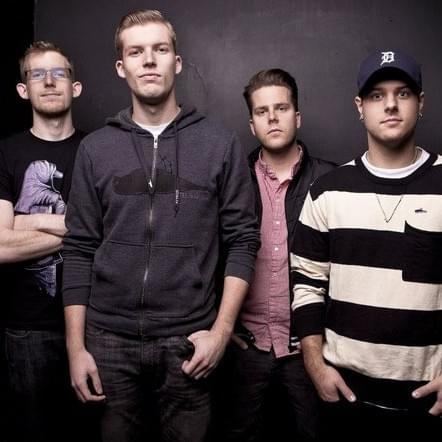
 View Artist