Song Meaning
The narrator is experiencing a profound sense of well-being and contentment, so much so that they question if it's actually love. The lyrics present a curious paradox: love is typically associated with intense, often tumultuous emotions like "sobs, sorrows, sighs," and "dizzy spells." Yet, the narrator feels "so well," experiencing none of these classic symptoms. This absence of dramatic highs and lows leads to a feeling of disbelief that such a sweet, calm state could be love.
The central tension lies in the narrator's rejection of conventional romantic markers. They explicitly state "no sobs, no sorrows, no sighs" and "no dizzy spells," contrasting these with their current state of feeling "so well." The repetition of "This can't be love" underscores their struggle to reconcile this peaceful, stable happiness with their preconceived notions of what love should feel like. It’s a sweet, almost unnerving, tranquility that defies their expectations.
The most striking aspect of the craft is the deliberate inversion of romantic tropes. Instead of a racing heart, the narrator notes "Just hear it beat," implying a steady, healthy rhythm. The repeated phrase "I love to look in your eyes" offers a quiet, intimate detail that grounds the abstract feeling of well-being in a specific, tender action. This focus on gentle observation and steady physical sensation, rather than overwhelming passion, is what makes the lyrics so compelling.
Ultimately, these lyrics resonate because they capture a less-discussed facet of deep affection: the quiet joy and profound peace that can accompany genuine connection. The narrator’s confusion isn't about a lack of feeling, but about the *nature* of that feeling. It’s effective because it challenges the listener’s own assumptions about love, suggesting that sometimes, the most powerful sign of love is simply feeling truly, wonderfully okay.
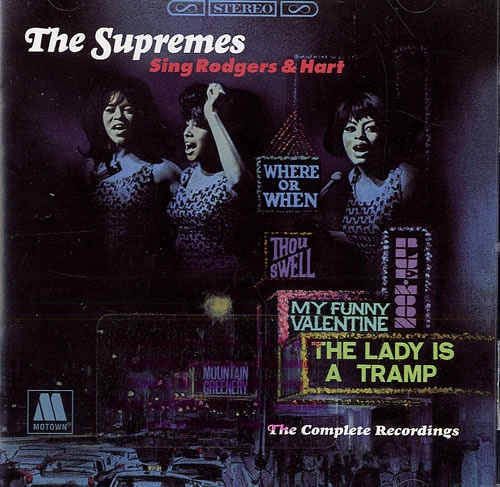
 View Artist