Song Meaning
The lyrics open with a stark apology, "Forgive me I am sorry," immediately undercut by a defiant resignation. There's a profound sense of an unchangeable situation. The speaker grapples with regret while simultaneously declaring an unwavering resolve. This sets a tone of complex, almost contradictory emotion.
A core tension emerges from the speaker's simultaneous remorse and acceptance of an immutable fate. Phrases like "Outcomes remain the same" are repeated, hammering home a sense of finality. Yet, the repeated apology suggests a lingering burden, a desire for absolution despite the acknowledged impossibility of altering the past or present. The speaker appears to offer regret without expecting reconciliation.
The most striking craft choice is the mirroring structure of the two main verses, with a crucial inversion of perspective. In the first, the speaker notes, "You'll sit and wait forever," implying their own absence. The second verse flips this, with the speaker stating, "I'll sit and wait forever" for someone who is not there. This clever shift transforms a one-sided absence into a mutual, inescapable void, suggesting both parties are trapped in a perpetual state of waiting for someone who won't arrive. The change from "break me" to "break thee" further emphasizes this shift, perhaps indicating the speaker's own resilience has now been extended, or transferred, to the absent party.
The emotional punch of these lyrics comes from this relentless cycle of apology, defiance, and mutual absence. The brief, wistful interlude, "Sometimes I sit and night and think about the way it used to be," offers a fleeting glimpse of nostalgia. But even this memory is tinged with the speaker's pragmatic assessment: the past was "Never quite what you wanted but good enough for me." This detail adds a layer of self-awareness, or perhaps a subtle justification, to the speaker's past contentment, making the present, unchangeable outcome feel all the more poignant and complex.
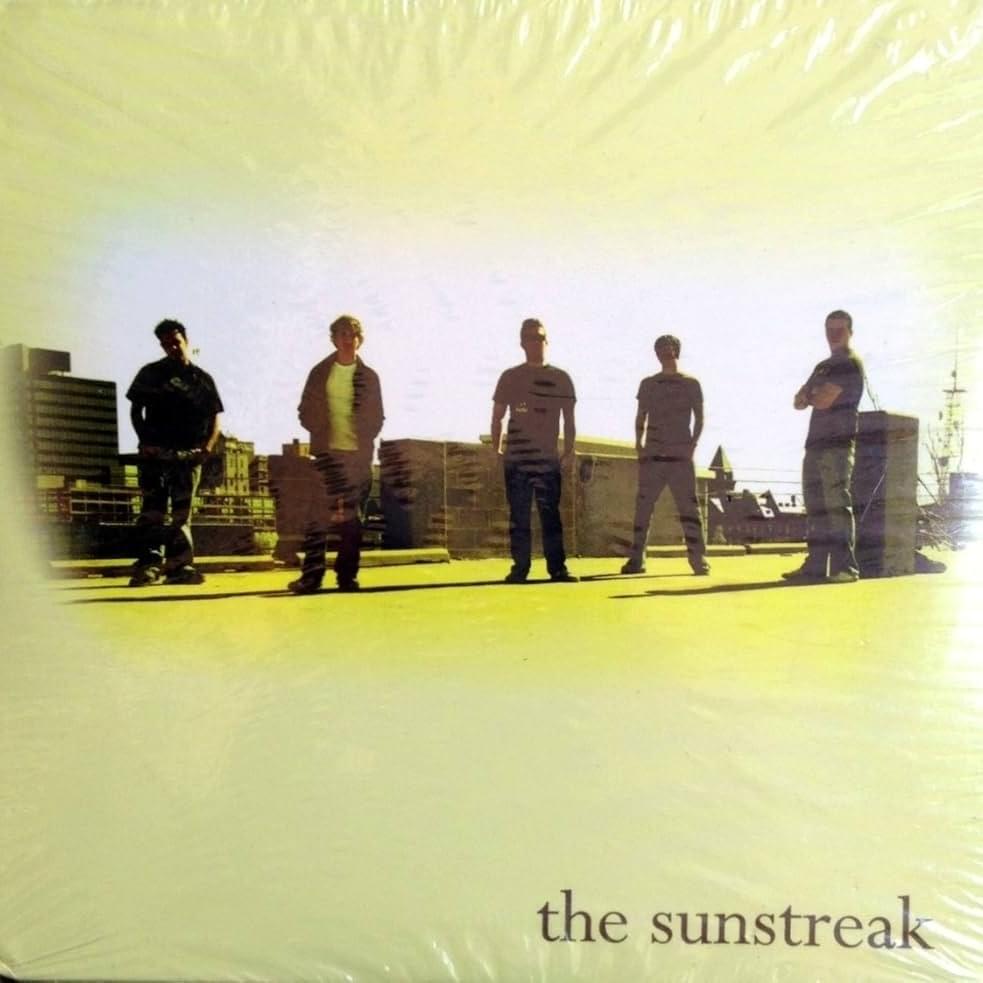
 View Artist