Song Meaning
The lyrics immediately plunge into a scene of restless insomnia, "dead of night" with "eyes that never close." There's a palpable sense of stagnation, as "flowers decay" and everything feels frozen. This stillness ignites an urgent, almost desperate plea for transformation.
The core tension lies in the stark contrast between a rich inner world and a barren external reality. The line "When there's more in your head than you find in your life" perfectly articulates this internal-external disconnect. It's a quiet suffering, amplified by the profound isolation suggested by being "miles away" and "quiet as the grave." This internal overflow, unmet by external experience, becomes the driving force behind the repeated "calls for a change."
The repeated chorus, "I can't wait, forever," is a masterclass in ambiguity, initially sounding like an impatient refusal to wait, but then revealing a deeper paradox. The outro clarifies this: "I've been waiting forever," suggesting the impatience stems from an already prolonged, agonizing wait. This tension is mirrored by the "still life" image, which cleverly evokes both a literal lack of movement and the artistic representation of inert objects, underscoring the speaker's feeling of being stuck in a static, decaying existence.
What makes these lyrics so effective is their ability to capture the suffocating weight of unfulfilled potential and the relentless march of time when one feels trapped. The stark, almost minimalist imagery — "eyes that never close," "quiet as the grave" — creates a vivid sense of internal confinement. The lyrics tap into a universal feeling of yearning for life to catch up with one's inner world, making the desperate cry for change resonate deeply with anyone who has felt time slipping away while waiting for their own "still life" to finally move.
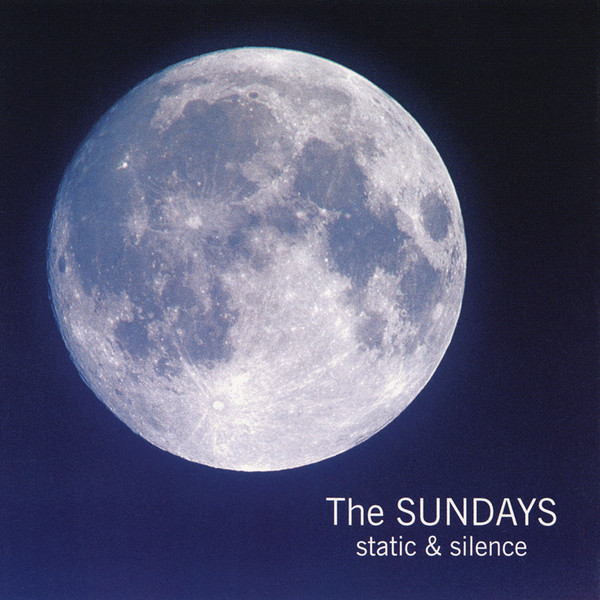
 View Artist