Song Meaning
The scene opens with a hushed intimacy, a silent command to cease speaking. The narrator places a finger to the listener's lips, a gesture that's both tender and possessive. The immediate assertion that "God is not watching us" strips away external judgment, creating a private, almost illicit space where forbidden actions are permissible. This sets a tone of urgent, unrestrained desire.
The core tension here is the push and pull of resistance versus belonging. The repeated phrase "It's been so long" emphasizes a prolonged period of waiting or separation, amplifying the urgency of the present moment. The narrator's insistence, "Stop your resistance, this is where you belong," frames the listener's hesitation not as a choice, but as a temporary, futile struggle against an inevitable destiny. It's a powerful declaration of claim.
The most striking aspect is the calculated erasure of divine oversight. By declaring "God is not watching us," the lyrics create a vacuum of morality, suggesting that the actions about to unfold exist outside conventional boundaries. This freedom, however, is immediately tied to the narrator's possessive claim, making the absence of God a condition for the listener's perceived "belonging" to the narrator. The repetition of "This is where you belong" hammers this point home, transforming a potential moment of liberation into an assertion of control.
This writing is effective because it taps into the primal urge for connection and acceptance, while simultaneously hinting at a darker, more controlling undercurrent. The stripped-down language and insistent rhythm create a hypnotic effect, drawing the listener into this charged, morally ambiguous space. The ambiguity of "where you belong" – is it a place of true comfort or inescapable possession? – is what makes the lyrics linger.
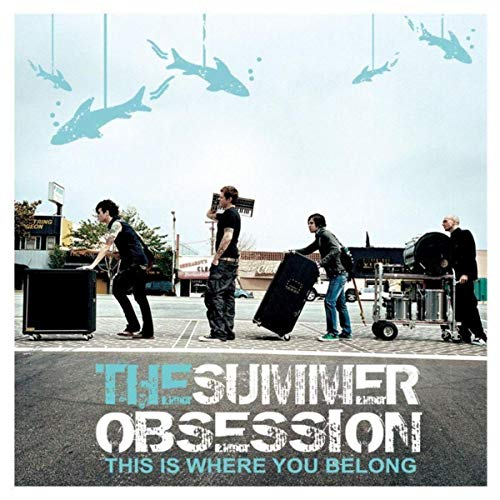
 View Artist