Song Meaning
The lyrics paint a picture of a nostalgic recollection, triggered by a "sepia memory" found "outside our house by the sea." This initial scene evokes a sense of boundless future and a "first sigh of peace," suggesting a time of innocence and unburdened optimism. The repeated directive to "Look at the photograph" emphasizes the act of revisiting the past, specifically focusing on the laughter of "our mothers," grounding the idealized memory in a tangible, albeit faded, image.
The central tension arises from the contrast between this idyllic past and a more complex present or understanding. The line "Wisdom must shine trough the lie" hints at a disillusionment or a realization that the past, or perhaps the present, is not as straightforward as it once seemed. The cryptic instruction for "Adam" to bury and then "dig deep" for a book suggests a hidden truth or knowledge that requires effort to uncover, implying that the "wonderful land" might hold buried secrets or a less-than-perfect reality.
The most striking craft element is the juxtaposition of joyful imagery with darker undertones. The "bleached by a kiss from the sun" face in the photograph, while seemingly benign, could also suggest fading or erasure. The abrupt shift to "Mother, land, broken, hearts" followed by the command to "Bury the photograph" creates a jarring emotional dissonance. This sequence suggests that the idealized memory is too painful or complex to fully confront, leading to a desire to conceal it, even as the "wonderful land" is repeatedly invoked.
Ultimately, the effectiveness of these lyrics lies in their ability to evoke a bittersweet longing for a past that is both cherished and perhaps intentionally simplified. The repeated phrase "wonderful land" becomes layered with meaning; it's a place of remembered joy, a potential repository of hidden wisdom, and a site of "broken hearts." The final invocation of "Albion's hand" adds a layer of national or historical context, hinting that this idealized, yet complicated, "wonderful land" is deeply intertwined with a specific cultural or geographical identity, leaving the listener to ponder the true nature of this remembered paradise.
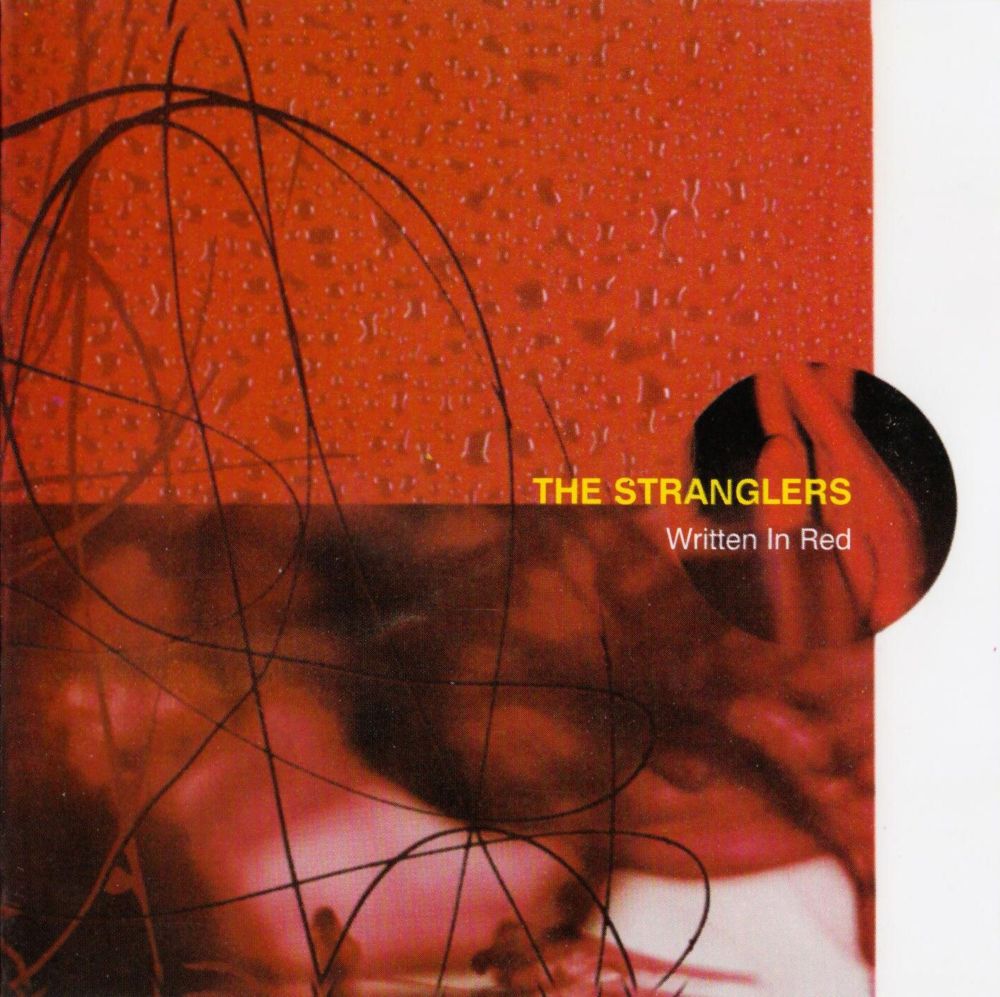
 View Artist