Song Meaning
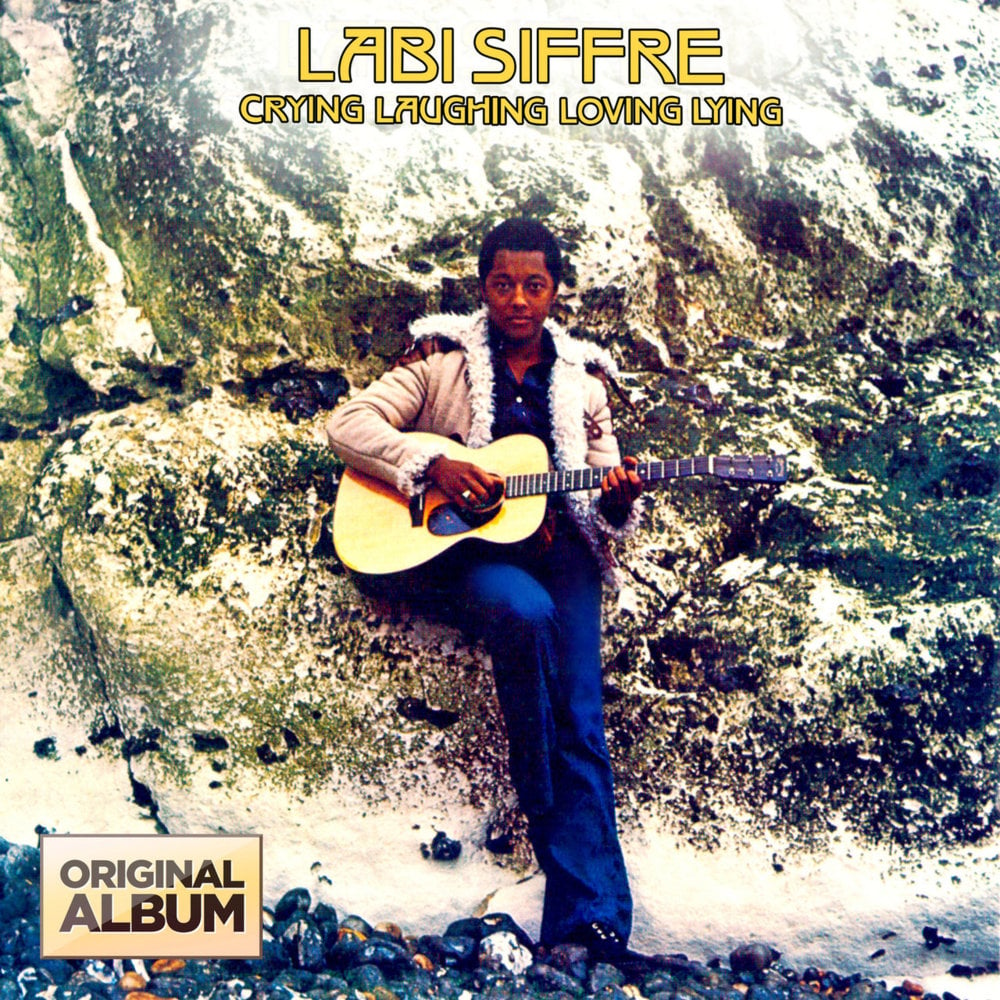
Labi Siffre's "Crying, Laughing, Loving, Lying" isn't just a list of emotional states; it's a brutally honest dissection of self-preservation. The song's meaning hinges on the tension between learned defenses and raw, unavoidable human behavior. Siffre, with a deceptive simplicity, maps out a progression from emotional avoidance to reluctant vulnerability. It's a journey not of triumph, but of complex, messy self-awareness.
The initial verses are stark declarations. "Crying never did nobody no good no how / That's why I don't cry" is a statement of learned stoicism, a defense mechanism built from past pain. Similarly, the assertion that loving "never did me no good no how" explains the inability to fully commit. There's a cause-and-effect logic at play, a conscious decision to avoid experiences perceived as inherently damaging. The repetition emphasizes the depth of this ingrained behavior. He's not just stating facts; he's reinforcing a personal mantra.
The lyrical gut-punch arrives with the final verse. The first line repeats that lying "never did nobody no good no how," echoing the previous sentiments. But then comes the crucial question: "So why am I lying now?" This isn't a rhetorical question; it's an admission of defeat. The carefully constructed walls are crumbling. It suggests a situation where honesty, despite the potential for pain, feels unavoidable, or perhaps even desirable. The repetition of the question underscores the internal conflict, the struggle between learned behavior and a deeper, perhaps suppressed, desire for authentic connection. The song's power lies in this unresolved tension, in the recognition that emotional self-preservation can be both necessary and ultimately limiting.
 View Artist