Song Meaning
The lyrics paint a picture of extreme self-reliance, bordering on isolation. The repeated assertion "I love only me" and "I've got the answer to everything" establishes a persona who trusts no one else's input. This isn't just confidence; it's a declaration of independence from external validation or guidance, suggesting a deep-seated belief that the narrator's own perspective is supreme.
The central tension arises from the contradictory pleas of "Tell me tell me" juxtaposed with the defiant "You can't tell me anything." This creates a push-and-pull dynamic: the narrator claims to need no one, yet simultaneously seems to crave some form of communication or confirmation, even as they reject its possibility. It’s a desperate, almost paradoxical, desire for connection that is immediately shut down by their own internal walls.
The striking image of "the garage flower" is key to understanding this persona. It suggests something that has bloomed in an unlikely, perhaps neglected, or confined space, independent of traditional nurturing. This flower is resilient and self-sufficient, finding its own "place for me anywhere," but it also implies a certain loneliness and lack of exposure to the wider world.
Ultimately, the effectiveness of these lyrics lies in their raw portrayal of this internal conflict. The insistent repetition drives home the narrator's self-imposed solitude, while the brief, almost desperate "Tell me" moments hint at a vulnerability they are simultaneously trying to suppress. It’s a powerful, if bleak, portrait of someone convinced of their own sufficiency, yet trapped by it.
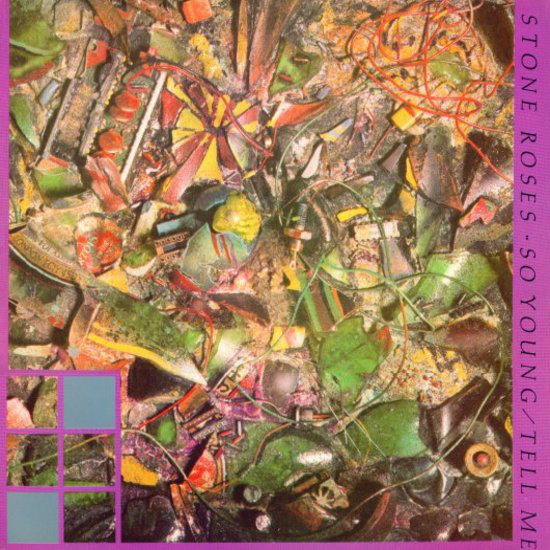
 View Artist