Song Meaning
This song paints a poignant picture of a life nearing its end, focusing on the legacy of songs written. The narrator imagines their own funeral, a somber scene where loved ones gather and a choir prepares to sing. There's a specific, almost practical request: make sure the chosen hymn is one of theirs, highlighting the importance of their musical output even in death. The immediate regret is clear: "I had a few more tunes that I wanted to write / But I ran out of time."
The central tension lies in the narrator's reflection on the purpose and recipient of their creative work. The chorus, and its later rephrasing, reveals a spectrum of motivations: "Some I wrote for money, Some I wrote for fun." Yet, the most profound category is personal: "the most I wrote for you." This suggests a deep, intimate connection tied to their songwriting, elevating it beyond mere professional or casual output. The shift in the final chorus, from "I" to "he," implies a narrator speaking about the deceased, reinforcing the retrospective and memorializing tone.
The most striking craft element is the direct address and the imagined dialogue at the funeral. The narrator dictates what should be inscribed on their tombstone, a testament to their identity as a songwriter. The repetition of the chorus structure, first from the narrator's perspective and then as if spoken by another about the narrator, creates a powerful sense of finality and enduring impact. The contrast between songs written for broad purposes (money, fun) and those written for a specific person underscores the emotional weight of the latter.
Ultimately, the lyrics resonate because they ground grand themes of mortality and legacy in the tangible act of creation. The specific, almost mundane details—a funeral, a tombstone, a list of songs—make the narrator's life and artistic output feel intensely personal. The final lines, "I've lost track of all the rest, but the most he wrote for me," offer a bittersweet conclusion, suggesting that while many songs may be forgotten, the ones written with love hold the most enduring significance.
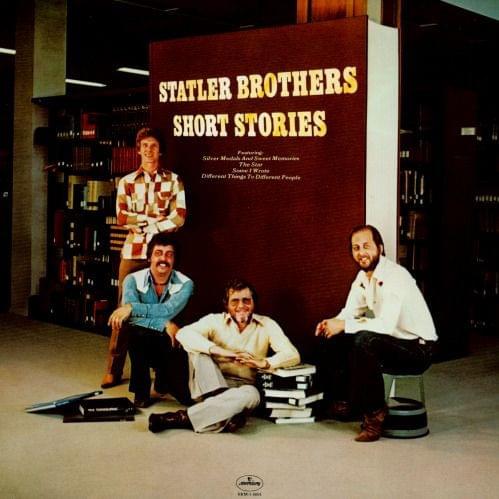
 View Artist