Song Meaning
The narrator’s memory is hazy, clouded by the dim lighting and perhaps a bit too much to drink. They’re confronted by someone claiming to be an old friend, but the recognition is fleeting, almost painful. The repeated refrain, "It's just that I have not seen you in quite a long, long time," acts as a hesitant apology, a shield against potential embarrassment if they’re mistaken. It’s a polite dance around the possibility that this person is a stranger, or worse, someone they’ve forgotten.
There's a palpable tension between the desire to connect and the inability to fully recall. The narrator clings to faint details – a dimple, a smile, hair color – trying to force a match with a past acquaintance. Yet, these familiar markers are subtly off, like a faded photograph where the edges blur. The lyrics suggest a deep-seated fear of misidentification, of imposing a false memory onto a real person, or conversely, of having been so thoroughly forgotten that even a claimed past connection feels alien.
The craft here hinges on gentle, almost apologetic language that masks a profound uncertainty. Phrases like "beg to be excused" and "please be patient with me" create a sense of vulnerability. The comparison of the person to "someone the shade of blonde is not just like her own" is a masterful touch, highlighting the near-miss of recognition. It’s this delicate balance between tentative familiarity and stark unfamiliarity that makes the scene so poignant.
Ultimately, the effectiveness lies in its quiet portrayal of memory's fallibility and the social awkwardness that arises when the past refuses to align with the present. The narrator’s polite evasion, their careful phrasing, and the lingering doubt capture a specific kind of human experience: the unsettling feeling of encountering a ghost of a memory, unsure if it’s real or just a trick of the light and time.
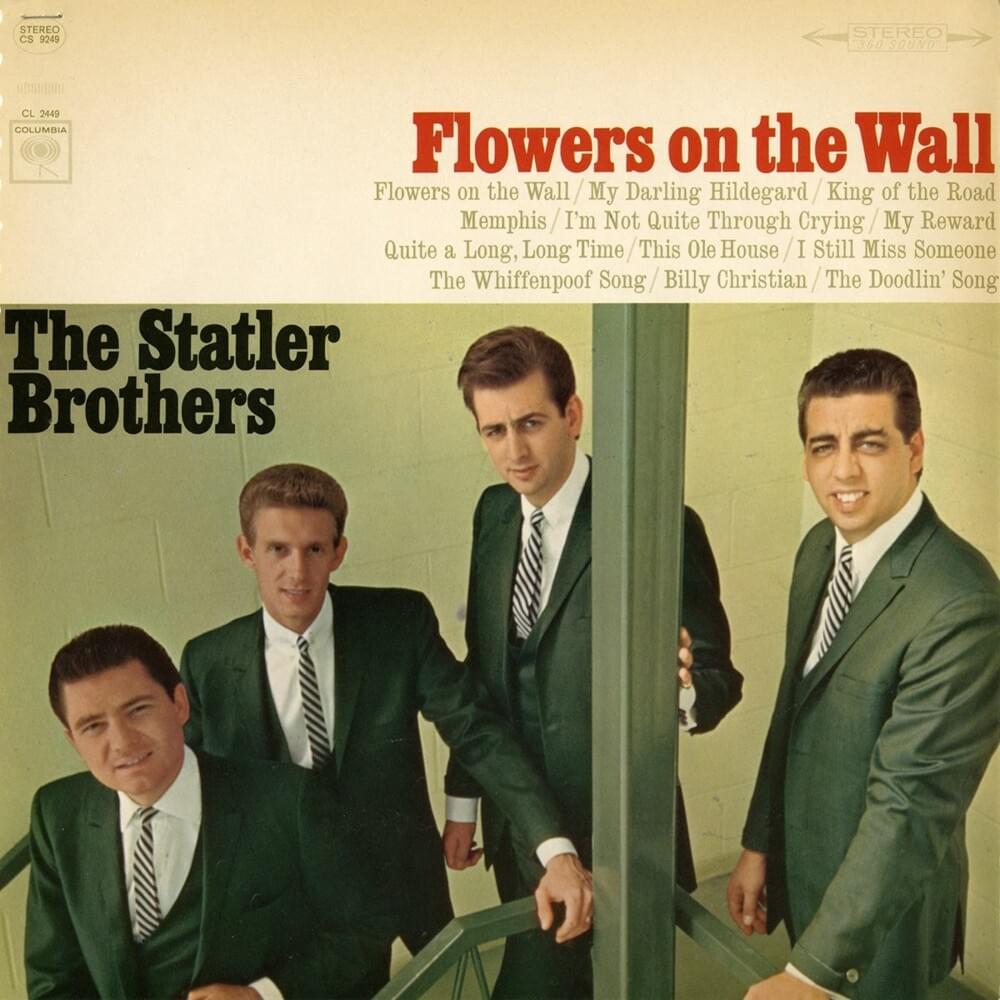
 View Artist