Song Meaning
The narrator grapples with a profound sense of existential questioning, wondering if their personal values align with societal norms. They express a longing for past simplicity, a stark contrast to the overwhelming uncertainty of the present. The lyrics paint a picture of someone caught in a loop of introspection, seeking external validation to solidify their own internal compass. It's a quiet plea for understanding amidst a fog of self-doubt.
The central tension arises from the conflict between a desire for the familiar comfort of the past and the daunting, unreadable future. The narrator admits to a certain passivity, stating, "I can't say that I don't want it any other way," which simultaneously suggests a lack of agency and a subtle resistance to change. This internal debate is amplified by the feeling that life is moving too rapidly, leaving them struggling to keep pace and process significant events, like the one that ended a relationship.
A striking element is the way the lyrics capture the paralyzing effect of indecision. The narrator identifies "indecision" as the force holding them back, calling it "a waste of time." This is juxtaposed with the desire to give "Nothing less than my best," highlighting the internal struggle between wanting to commit and act, and the fear that paralyzes them. The imagery of watching "the twilight fade away" while looking "straight up all day" further emphasizes this state of passive observation and a missed opportunity for decisive action.
Ultimately, these lyrics resonate because they articulate a universal feeling of being adrift, caught between what was and what might be, with the present moment feeling both too fast and too slow. The raw honesty about seeking "sympathetic words" and the admission of being stuck by "indecision" creates a relatable portrait of vulnerability. The repeated refrain about wanting "days of before" and the inability to "say goodbye" underscores a deep-seated emotional inertia that many listeners can connect with.
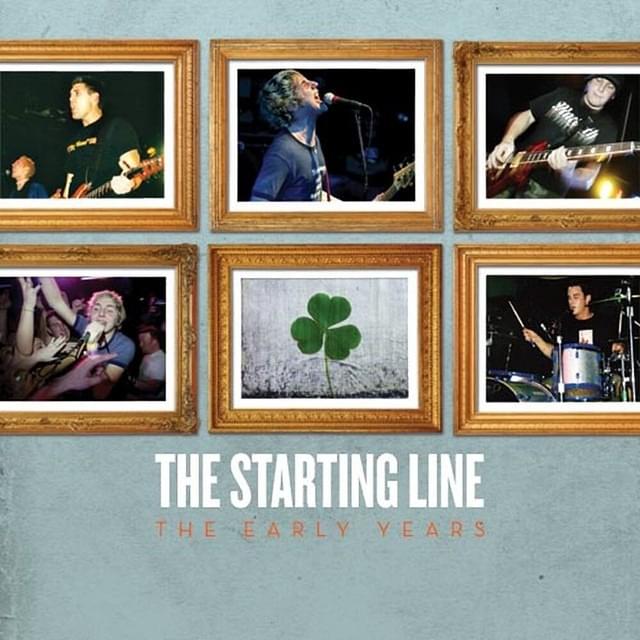
 View Artist