Song Meaning
The lyrics paint a picture of shared human experience, tinged with a specific, urgent concern. The opening lines establish a sense of universal connection, suggesting we're all "everyday people" with a "part of you / Connected with everyone else." Yet, this broad observation quickly narrows, focusing on a distinct "me and you." The immediate shift to "Oh no!" signals that this connection, or perhaps a perceived lack of it, is a source of distress.
The central tension arises from a profound sense of separation and the narrator's anxiety about the other person's state. The narrator expresses a desire to bridge the gap – "if I could, I'd take you with me" – but acknowledges the insurmountable distance: "But I'm here and you're there." This physical and emotional chasm fuels the repeated, almost desperate question, "Are you alone?" The narrator's own experience of solitude, "spending all my time / By myself, without you," seems to amplify this fear for the other.
The most striking craft element is the insistent, almost pleading repetition of "Are you alone?" coupled with the interjection "Oh no!" This isn't just a question; it's an expression of dread, a fear that the answer will confirm the narrator's own deepest anxieties about isolation. The bridge directly confronts the listener, asking about the experience of needing help "when you've been all by yourself?" and being home "when everyone's gone?" This pushes the listener to consider the very real pain of solitude, making the narrator's question resonate more deeply.
Ultimately, these lyrics hit hard because they tap into a primal fear of isolation, framed by a specific, unfulfilled connection. The narrator's anxiety isn't just about their own loneliness, but a projected fear onto someone else, making the simple question "Are you alone?" a loaded inquiry into shared vulnerability and the potential for profound disconnection.
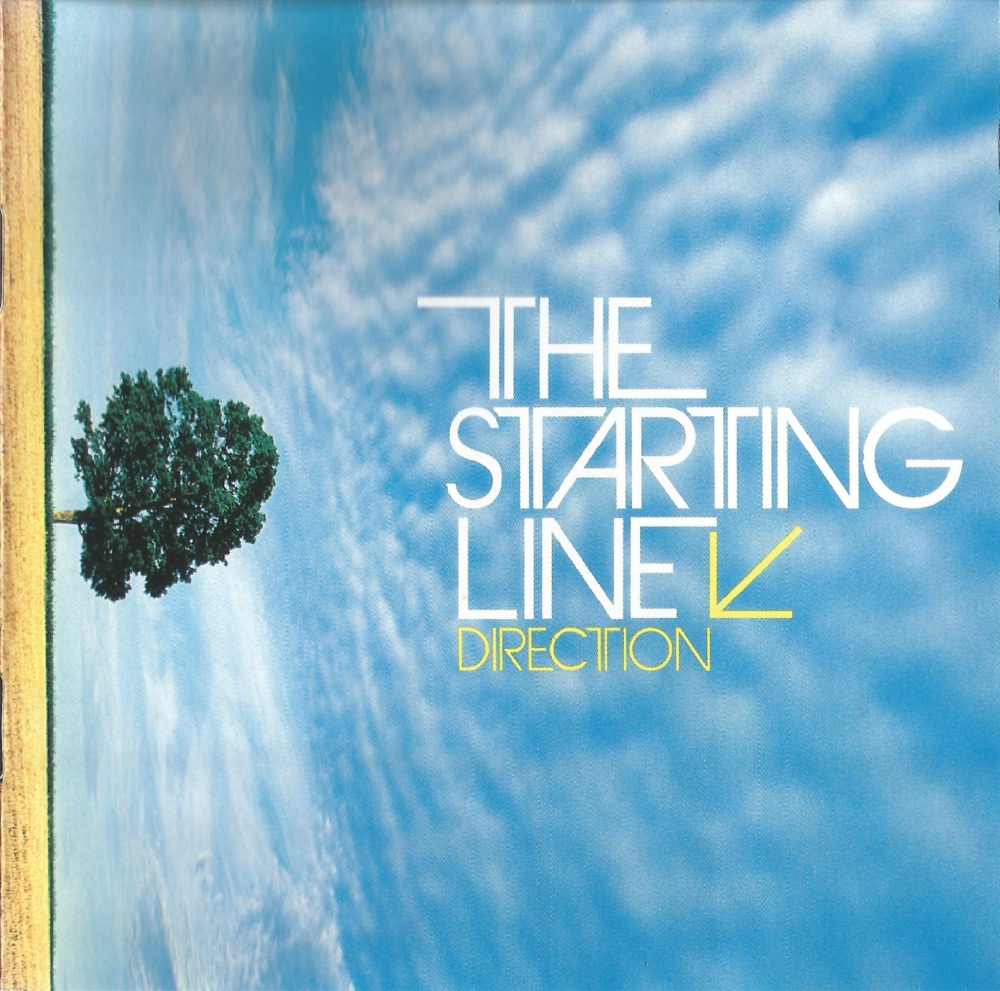
 View Artist