Song Meaning
The narrator is adrift, haunted by a past joy that feels increasingly distant and overshadowed by the mundane demands of life. The lyrics paint a picture of internal disillusionment, where vibrant memories are muted by the sheer weight of 'utility.' This creates an immediate sense of melancholy, a quiet ache for something lost.
The central tension lies in the contrast between the narrator's internal world and the external environment. While the city teems with 'activity' and people move with purpose, the narrator feels invisible, isolated within the bustling crowds. This disconnect fuels a profound sense of loneliness and a desperate question: how can these cherished 'paper dreams' be reclaimed when one feels so utterly alone?
The most striking element is the recurring image of 'pretty paper dreams.' This phrase evokes fragility and beauty, like delicate origami or cherished childhood fantasies. The fact that they have 'flown' suggests a loss of control and a gentle, almost inevitable, departure. The contrast between these ethereal dreams and the harsh 'city streets' and 'utility' highlights the crushing reality that has replaced them.
This lyrical construction is effective because it grounds abstract feelings of loss and isolation in tangible imagery. The 'cloudy highs' and 'distant signs' speak to a fading hope, while the 'bustling crowds' provide a stark, impersonal backdrop. The repeated question about finding the dreams 'alone' lands with a heavy, resonant plea, making the narrator's quiet despair palpable.
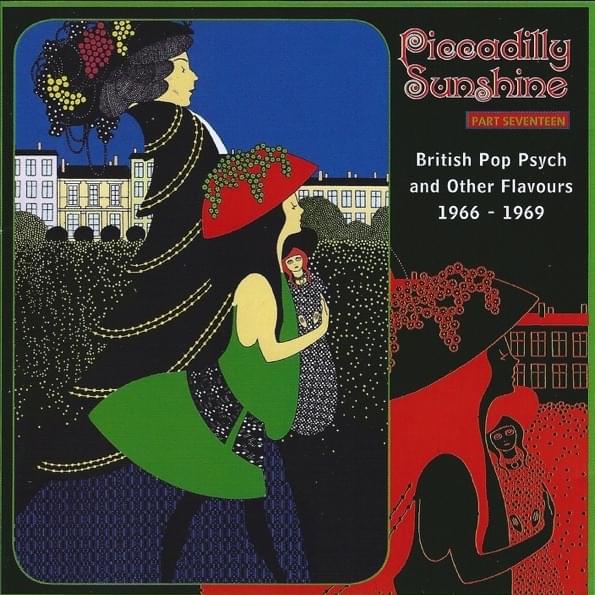
 View Artist