Song Meaning
The lyrics open with a stark directive: "We need a song" about a world "run by keepers" with unsettling "beaks" and "eyes too close together." This immediate scene paints a picture of a controlled existence, where power is held by vaguely predatory figures. The instruction to write it with a "blunt pencil and a payphone" suggests a raw, urgent message, contrasting with the specific musical key of "G sharp."
This sense of pervasive control is amplified by the central refrain: "Lions and tigers eat the same bits as each other." The repetition underscores a fundamental, perhaps inescapable, commonality in consumption and, later, in destiny. It suggests that even the most powerful or wild creatures are subject to the same basic needs and, ultimately, the same end, hinting at a lack of true individual agency within this "keeper"-run world.
The narrative then shifts inward, confronting a personal struggle. The lines "In the bathroom, in the mirror / In the mirror, in the skin" evoke a moment of intense self-reflection, blurring the external image with internal reality. This introspection leads to a confession: "I screwed up when I was young, but must I keep on paying for it?" The blunt, almost fatalistic reply – "Yes you must / Until you let yourself go" – offers a harsh truth, yet also a cryptic path to liberation from past burdens.
Ultimately, these lyrics are effective because they weave together external observation and deeply personal struggle. The menacing "keepers" and the shared fate of "Lions and Tigers" create a powerful metaphor for systemic constraints and the human condition. By grounding the abstract idea of control in both a vivid, unsettling image and a raw, confessional plea, the song resonates with the feeling of being trapped by circumstances or past mistakes, while hinting at an elusive freedom found only by "let[ting] yourself go."
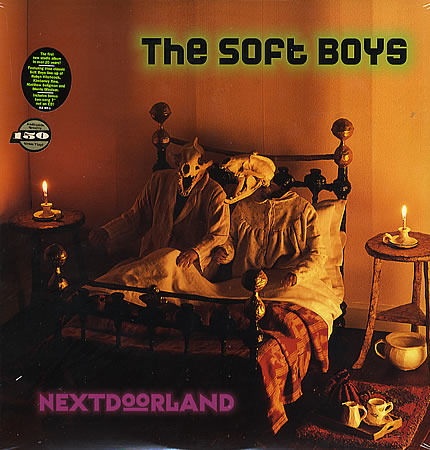
 View Artist