Song Meaning
The lyrics paint a picture of intense possessiveness, a desperate desire to keep someone entirely to oneself. The narrator repeatedly declares, "I won't share you," framing this refusal not just as a personal preference but as a response to external forces like "drive and ambition" and "dreams inside." This suggests a fear that these qualities, often seen as positive, might pull the object of affection away. The repeated "No - no - no" and the insistent "This is my time" underscore a sense of urgency and perhaps a feeling of being in competition for this person's attention or affection. It's a raw, almost primal claim of ownership.
The central tension arises from the narrator's apparent insecurity, which manifests as an aggressive demand for exclusivity. The line, "Has the Perrier gone / Straight to my head / Or is life sick and cruel, instead?" from Verse 1 hints at a potential disconnect between the narrator's perception and reality, or perhaps a questioning of their own sanity in the face of such intense feelings. The response, a stark "Yes!" followed by a frantic denial, highlights a struggle with acknowledging the potentially unhealthy nature of their possessiveness. This internal conflict between desire and self-awareness is palpable.
What's particularly striking is the contrast between the narrator's fierce possessiveness and the fleeting nature of life acknowledged in Verse 2: "Life tends to come and go / That's okay / As long as you know." This creates a poignant irony. While the narrator wants to hoard this person, the lyrics themselves admit that everything, including relationships, is transient. The repeated "know, know, know" emphasizes a yearning for certainty in an uncertain world, a certainty they seek to anchor in exclusive possession. The final chorus, "I'll see you somewhere / I'll see you sometime," offers a sliver of resignation, a hint that perhaps complete possession isn't feasible, yet the initial possessive impulse remains.
Ultimately, these lyrics resonate because they tap into a universal, albeit often unspoken, fear of loss and abandonment. The craft here is in the directness of the refusal and the stark imagery of "drive and ambition" as rivals. The narrator's insistence, coupled with the underlying acknowledgment of life's impermanence, creates a complex emotional landscape. It’s not just about wanting someone; it’s about the desperate, perhaps irrational, need to control and preserve them against the perceived threats of the outside world and the passage of time itself.
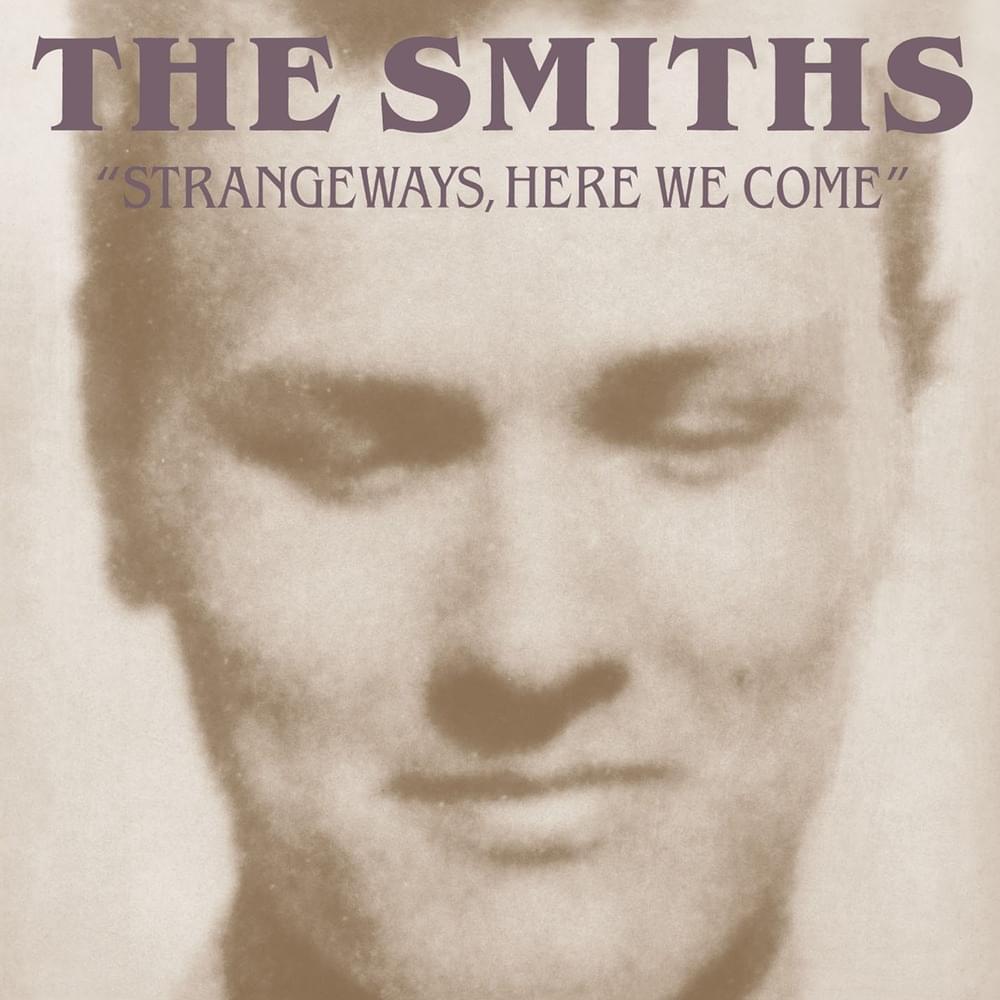
 View Artist