Song Meaning
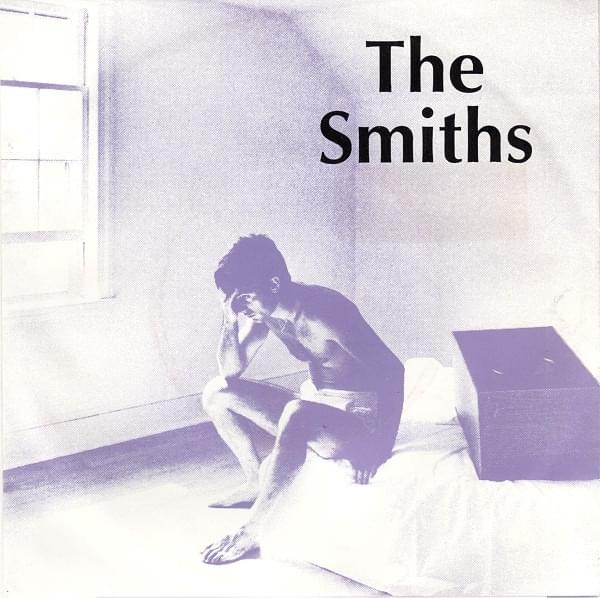
The lyrics paint a stark portrait of profound social isolation and a desperate yearning for connection. The narrator identifies as the "son and heir / Of a shyness that is criminally vulgar," immediately establishing a sense of inherited, almost shameful awkwardness that prevents genuine interaction. This inherited shyness is so potent it leaves them with "nothing in particular" to define themselves by, amplifying their sense of emptiness and alienation. The core of their anguish lies in the accusatory chorus, where an unnamed "you" criticizes their approach to life, while the narrator simply asserts a universal human need: "I am human and I need to be loved / Just like everybody else does." This contrast highlights the painful gap between the narrator's fundamental desire and the perceived judgment they face.
The central tension arises from this unacknowledged need clashing with external criticism and internal inhibition. The narrator feels misunderstood, their attempts to navigate the world are apparently "wrong," yet their plea is for the most basic form of acceptance. The lyrics suggest a cycle of self-imposed isolation fueled by fear of judgment, leading to a painful solitude. The repeated assertion of their humanity and need for love acts as a desperate, almost defiant, declaration against the forces that seem to keep them apart from others.
A particularly striking element is the stark imagery of the bridge, which contrasts a potential social remedy with the narrator's reality. The suggestion of a "club" where one "could meet somebody who really loves you" is immediately undercut by the harsh reality of solitary action: "So you go and you stand on your own / And you leave on your own." This leads to a devastating conclusion: "And you go home and you cry / And you want to die." The abrupt shift from a hopeful possibility to utter despair underscores the depth of the narrator's despair and the perceived impossibility of escape from their condition.
Ultimately, the effectiveness of these lyrics lies in their raw, unvarnished depiction of loneliness and the pain of feeling fundamentally flawed and unlovable. The simple, direct language of the chorus, particularly the phrase "just like everybody else does," makes the narrator's plight intensely relatable, even as the specific details of their "criminally vulgar" shyness create a unique sense of tragic isolation. The song captures the agonizing feeling of being on the outside, looking in, with a basic human need going unmet and unacknowledged.
 View Artist