Song Meaning
The lyrics paint a picture of deep emotional distress and a desperate plea for connection. The repeated request to be taken "down, to the underground" suggests a desire to descend into a darker, perhaps more hidden, part of oneself or a shared space of vulnerability. This descent is characterized by a lack of clarity, as the narrator states, "there is no light." The vulnerability is further emphasized by the raw question, "if I can't sleep, can you hold my life?" which speaks to a profound existential crisis.
The core tension lies in the narrator's struggle with self-awareness and their reliance on another person for solace and understanding. Phrases like "I lost where I began" and "all of my faults" reveal a sense of disorientation and self-recrimination. Yet, this is immediately countered by an affirmation of the other person's importance: "you're the other half of me." This duality highlights a dependence that is both a source of comfort and a potential burden, as the narrator asks for help to "understand."
The most striking aspect of the writing is the stark contrast between the initial descent into darkness and the eventual glimmer of hope. The outro introduces the image of "the sun" which "will come," offering a powerful counterpoint to the earlier "no light." This shift, coupled with the celestial imagery of "trumpets blew, and angels flew," suggests a potential for redemption or transcendence, even as the narrator admits, "you're all I see."
Ultimately, the effectiveness of these lyrics stems from their raw emotional honesty and the careful juxtaposition of despair and hope. The narrator’s willingness to expose their deepest insecurities, while simultaneously clinging to another person as their sole anchor, creates a compelling portrait of human fragility. The subtle introduction of light and celestial imagery in the outro provides a poignant, earned sense of possibility, making the plea for connection feel both urgent and deeply resonant.
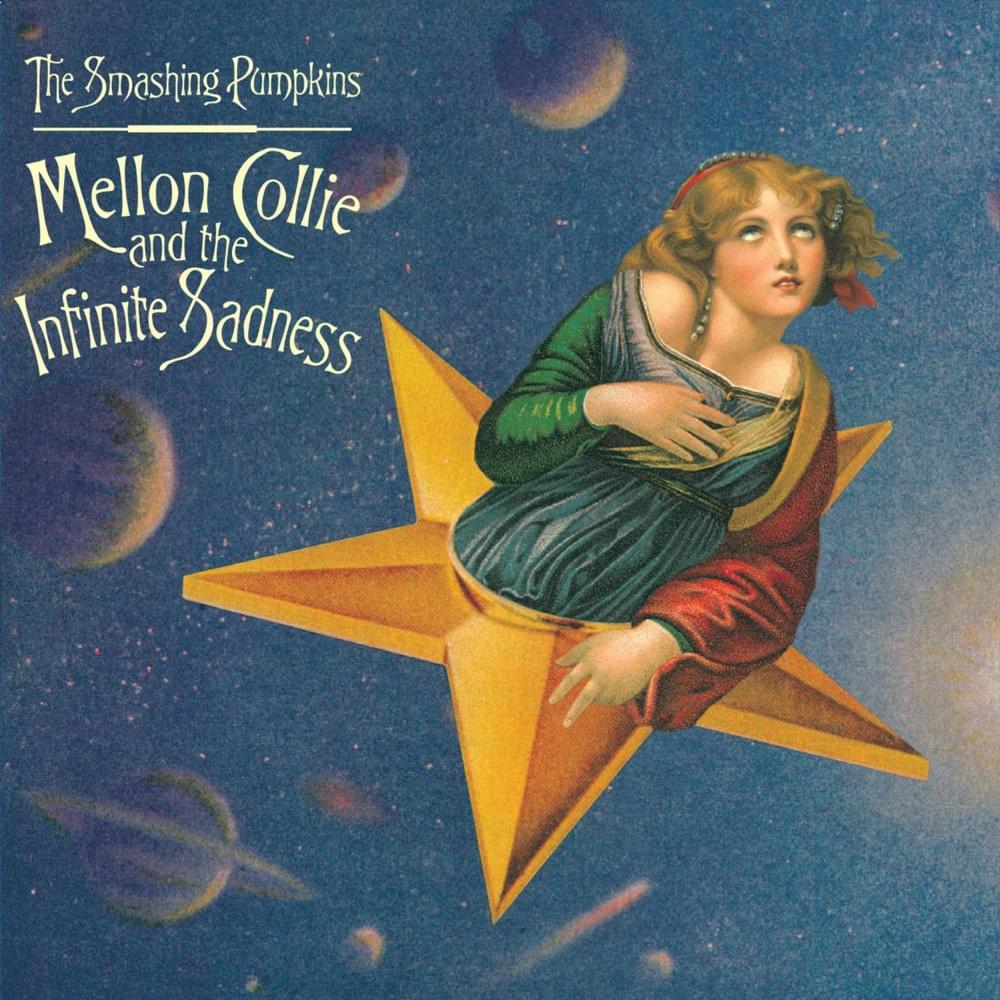
 View Artist