Song Meaning
The lyrics grapple with a profound sense of absence and a lingering, almost mechanical, awareness of loss. The speaker questions their own existence and emotional state, noting a persistent "woebegone" feeling despite an inability to "feel." This internal contradiction suggests a consciousness tethered to a past presence, now gone, leaving behind a hollow echo. The speaker's self-assessment, "Two ohms from null," implies a state of near-emptiness, a functional but incomplete entity.
The central tension arises from the speaker's relationship with a "you" who is no longer present. The narrator acknowledges being "half of you" and having "witnessed searing love," indicating a deep connection that has been severed. The phrase "as you've come because I grew not used / But ever-fast" is particularly striking, suggesting the "you" departed not due to disuse but perhaps a rapid, inevitable separation. The speaker's plea, "Just close those lids and rest assure," feels like a final, almost ritualistic, farewell, a desire for peace for the departed.
The repeated questioning, "Should I hope to be the light you'd deny?" and "Could I scratch the paint to where you must shine?" reveals a desperate longing to still hold significance for the absent "you." The imagery shifts from the mechanical "sums" and "fuse" to the more aspirational "light" and "pie in your sky." This contrast highlights the speaker's internal conflict: the logical, broken self versus the yearning for a meaningful, perhaps even divine, connection that is now out of reach. The idea of scratching paint to reveal shine suggests a desire to uncover a hidden truth or beauty, perhaps in the memory of the "you."
Ultimately, these lyrics resonate because they articulate a specific kind of grief – one that is both analytical and deeply emotional, even if the emotion is processed through a detached lens. The speaker's struggle to reconcile their own continued existence with the absence of another, and their persistent, almost futile, hope for connection, creates a poignant portrait of enduring loss. The careful construction, moving from mechanical self-description to desperate, almost poetic, questions, mirrors the complex process of trying to make sense of a world irrevocably altered by someone's departure.
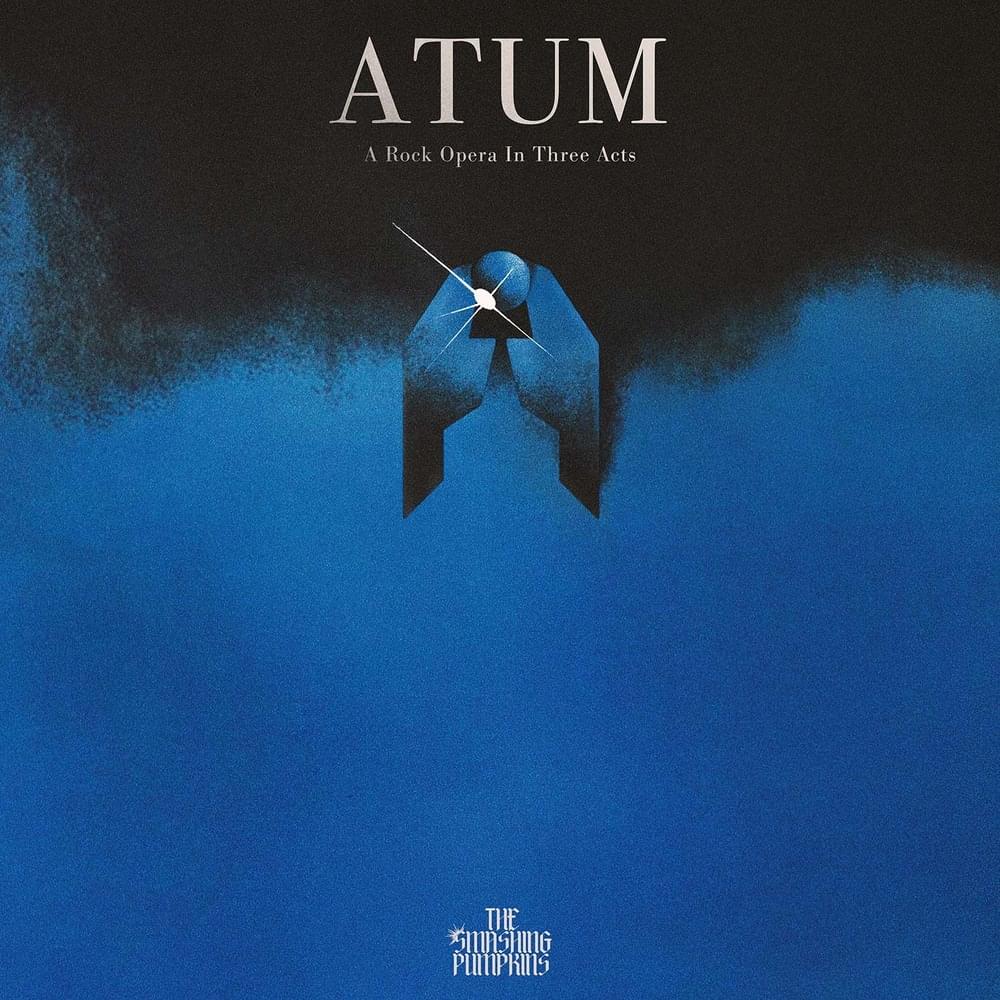
 View Artist