Song Meaning
The lyrics paint a stark picture of a desolate, fear-gripped town where hope seems to have been extinguished. The opening lines, with "riders crushed by the wind," immediately establish a sense of overwhelming force and defeat. There's a religious undertone with "The Bible speaks on faith," but it’s juxtaposed with a grim fate, suggesting that faith offers little solace against the harsh realities at play. The narrator seems to be observing a profound loss, a situation where "she'll be sent" implies a finality and perhaps a sacrifice.
The central tension lies in the contrast between outward appearances and inner turmoil, and the pervasive sense of inevitability. The chorus hammers home the idea that "it happened all the time," a phrase that could refer to cyclical misfortune or a normalization of suffering. The line "And your spirit drags the pack" is particularly striking, suggesting a heavy, burdensome existence where one's very essence is weighed down by collective hardship or a shared, inescapable fate. This isn't about individual blame, as "your life cannot be blamed / On the things that have gone away."
The craft here is in the unsettling juxtaposition of imagery. We hear about a "lonely town" and "lonely times," but then suddenly "Your sweetheart is home from school" and "your neighbors are beautiful." These glimpses of normalcy or even pleasantry feel jarring against the backdrop of crushing wind and fear, making the underlying dread even more palpable. The repetition of "It happens all the time" acts as a mantra of resignation, dulling the pain through sheer frequency, while the phrase "itching your words" hints at unspoken anxieties or a struggle to articulate the pervasive unease.
Ultimately, these lyrics resonate because they capture a feeling of being trapped in circumstances beyond one's control, where even comforting images are overshadowed by a pervasive sense of doom. The repeated, almost weary, assertion that "it happened all the time" combined with the crushing weight of "your spirit drags the pack" creates a powerful, melancholic portrait of enduring hardship. It’s the quiet acknowledgment of a shared, heavy burden that makes the emotional impact so profound.
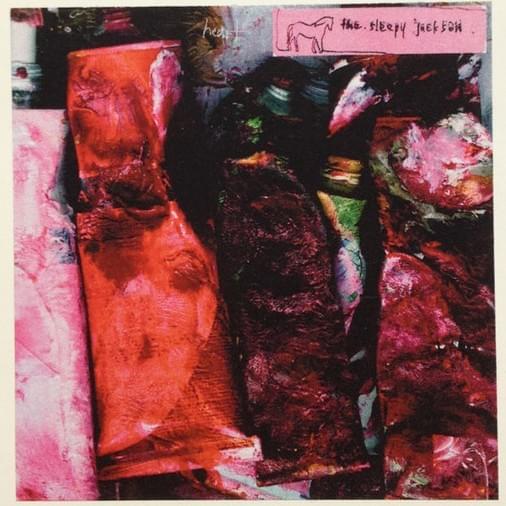
 View Artist