Song Meaning
The narrator paints a picture of a life stuck in perpetual, unfulfilling leisure. The initial premise, 'Everyday is Sunday when you're unemployed,' sounds like a dream, a release from the grind. Yet, this supposed freedom quickly sours, revealing a hollow existence where 'Friday never comes' – the anticipated marker of progress or escape never arrives. This isn't the joyous liberation of a day off; it's the stagnant reality of having too much time and too little purpose.
The core tension lies between the idealized notion of endless free time and the crushing weight of its actual experience. The narrator grapples with this paradox, questioning whether to pursue grand creative projects like writing a novel or songs, a desperate attempt to prove their worth and validate a self-perceived genius. However, this ambition seems to wither in the face of their current inertia, highlighted by the passive observation of someone else who 'got nothing to say.' The lack of external engagement mirrors the narrator's internal emptiness.
The most striking aspect is the relentless repetition of 'Everyday is Sunday,' which transforms from a catchy hook into an anthem of stagnation. This refrain, coupled with the stark declaration 'Friday never comes,' underscores a profound sense of being stuck. The final, jarring shift to 'And then tomorrows Monday' repeated four times is a gut punch. It shatters the illusion of perpetual Sunday, revealing the dread of the impending workweek that the narrator has been trying to escape, only to realize their 'Sunday' is just a prelude to the same old grind, making the entire cycle feel meaningless.
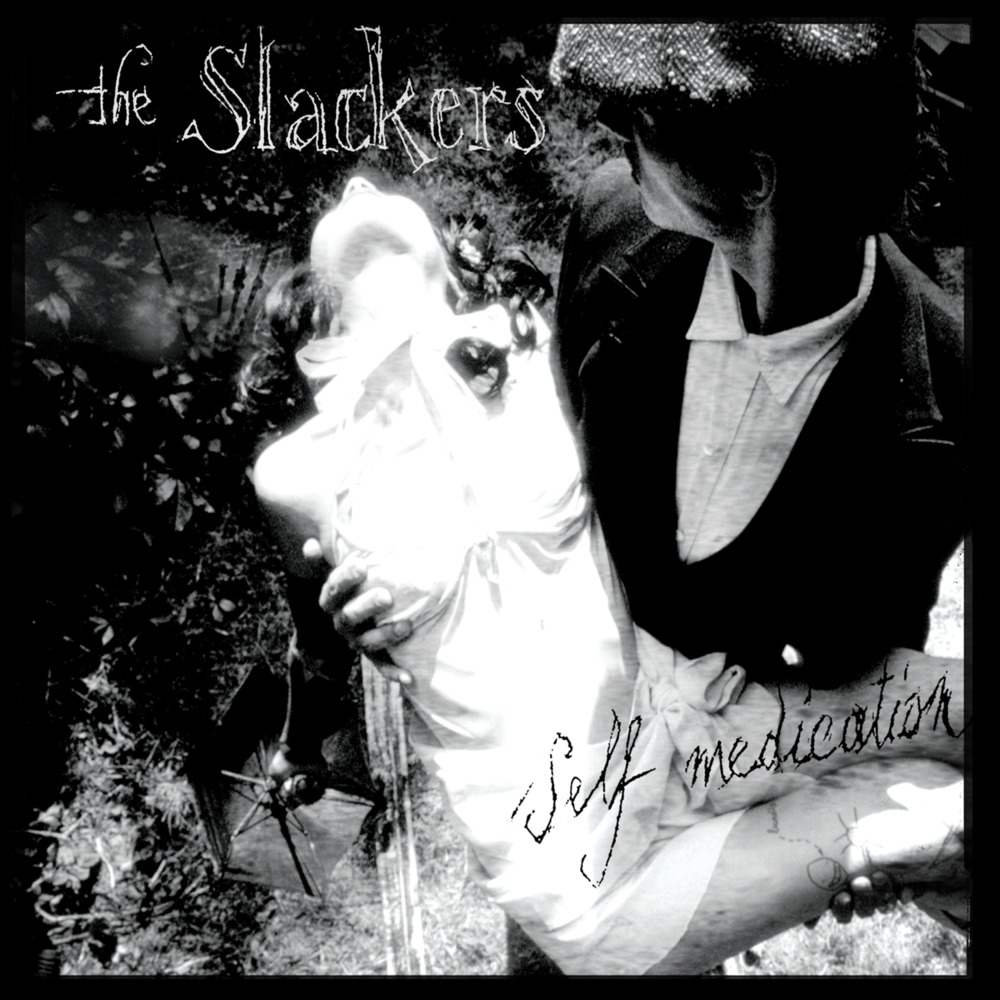
 View Artist