Song Meaning
The narrator is grappling with the immediate aftermath of a breakup, choosing a solitary path as a direct consequence of their partner's departure. The repetition of "my lonely way" isn't just a statement of fact; it's a declaration of intent, a chosen response to profound loss. The imagery of "lonely streets, from dusk to dawn" paints a picture of endless, solitary wandering, emphasizing the pervasive nature of this chosen isolation.
The central tension lies between the narrator's outward declaration of walking alone and their internal, persistent devotion. While they state "I'll go my lonely way," they also vow "I'll go on loving you." This creates a poignant conflict: how can one move forward alone while still holding onto the love for someone who has left? The lyrics suggest this isn't a path to healing, but rather a continuation of the emotional state of being with the departed.
The bridge reveals the depth of this emotional entanglement, stating "you took my heart along with you." This isn't just about missing someone; it's about a perceived incompleteness. The narrator feels incapable of offering their heart anew because it was irrevocably taken. This makes the "lonely way" less a choice for independence and more a consequence of feeling emotionally hollowed out.
Ultimately, the effectiveness of these lyrics stems from their stark simplicity and the raw, unwavering commitment to a singular emotional state. The repeated phrase anchors the listener to the narrator's persistent grief and their chosen, albeit painful, method of navigating it. The prayer for return in the final verse underscores that this "lonely way" is not a final destination, but a waiting period, a testament to enduring love and hope for reunion.
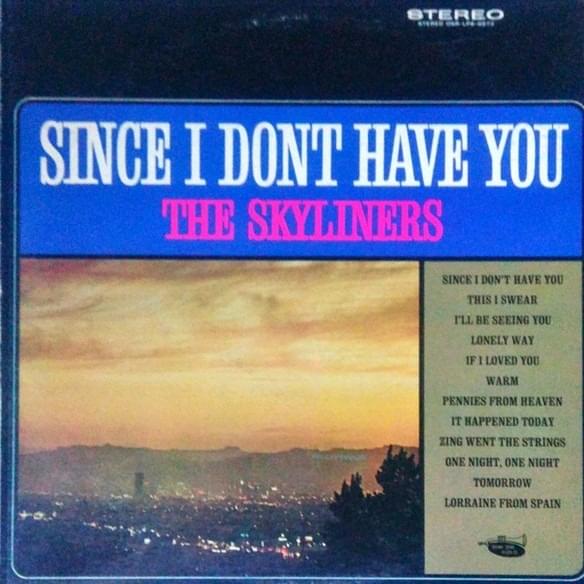
 View Artist