Song Meaning
The lyrics paint a stark picture of confronting overwhelming sadness and the difficult choice between enduring pain or embracing change. The narrator feels trapped by "tragic scenes" and "sadness everywhere," facing a crossroads where staying the same offers a familiar agony, while change promises an unknown path. This sets up a powerful internal struggle, a confrontation with a present reality that feels unbearable.
The core tension emerges from the narrator's process of self-transformation, framed as a deliberate shedding of the past. The repeated mantra, "I am learning how to be / That's all just breathe," suggests a mindful, almost spiritual approach to survival. Each breath becomes an act of "put[ting] my old self to death," indicating a radical break from a former identity or state of being that was perhaps defined by the very sadness they are now trying to escape.
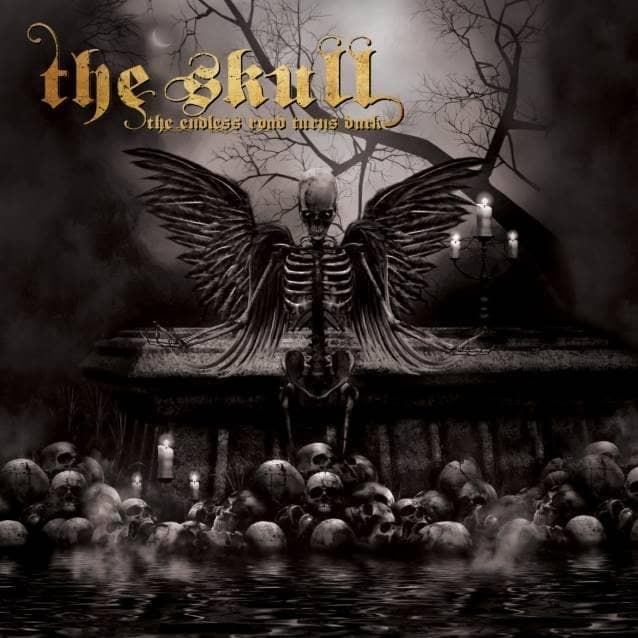
A profound shift occurs with the introduction of a communal, somber event: "We were gathered here today / To mourn a fate unkind." This suggests a funeral or memorial, where the narrator witnesses or participates in grieving. The phrase "thy will be done" takes on a dual meaning here; it could refer to a divine or external force dictating events, but also to the narrator's own internal resolve to accept and move forward, even in the face of loss. The contrast between the "dark" "endless road" and the hopeful "Walk with me into the sun" encapsulates this movement from despair to a tentative, shared peace.
This lyrical journey is effective because it grounds abstract emotional states in concrete imagery and a clear, albeit difficult, process. The act of breathing, the death of the old self, and the communal act of mourning all serve as tangible anchors for the narrator's internal metamorphosis. The final lines offer a glimmer of hope, suggesting that by accepting the inevitable, even the painful, one can find a path toward light and shared solace, a testament to resilience forged in sorrow.
 View Artist