Song Meaning
The lyrics paint a picture of intense longing and anticipation for the return of a beloved "friend of my heart." The opening lines, "Handha wichhayaa / To Laye Wichhayaa," suggest a deliberate preparation, perhaps setting a place or making arrangements, emphasizing the depth of the speaker's desire. This isn't casual waiting; it's an active, almost ritualistic, anticipation for someone who is deeply missed and whose absence is keenly felt.
The central tension revolves around this waiting. The repeated phrase "Dil jo dost wathyoo piya wanan" (My heart's friend has returned to the forest/wilderness) is sung with a mix of joy and perhaps a touch of melancholy, as the friend's return is described as being "in the forest." This could imply a wild, untamed spirit, or perhaps a place of isolation. The line "Mu saan haidi kayee hotan" (Why is it like this with me?) expresses a profound sense of bewilderment and sadness at the circumstances of this reunion or the nature of the friend's presence.
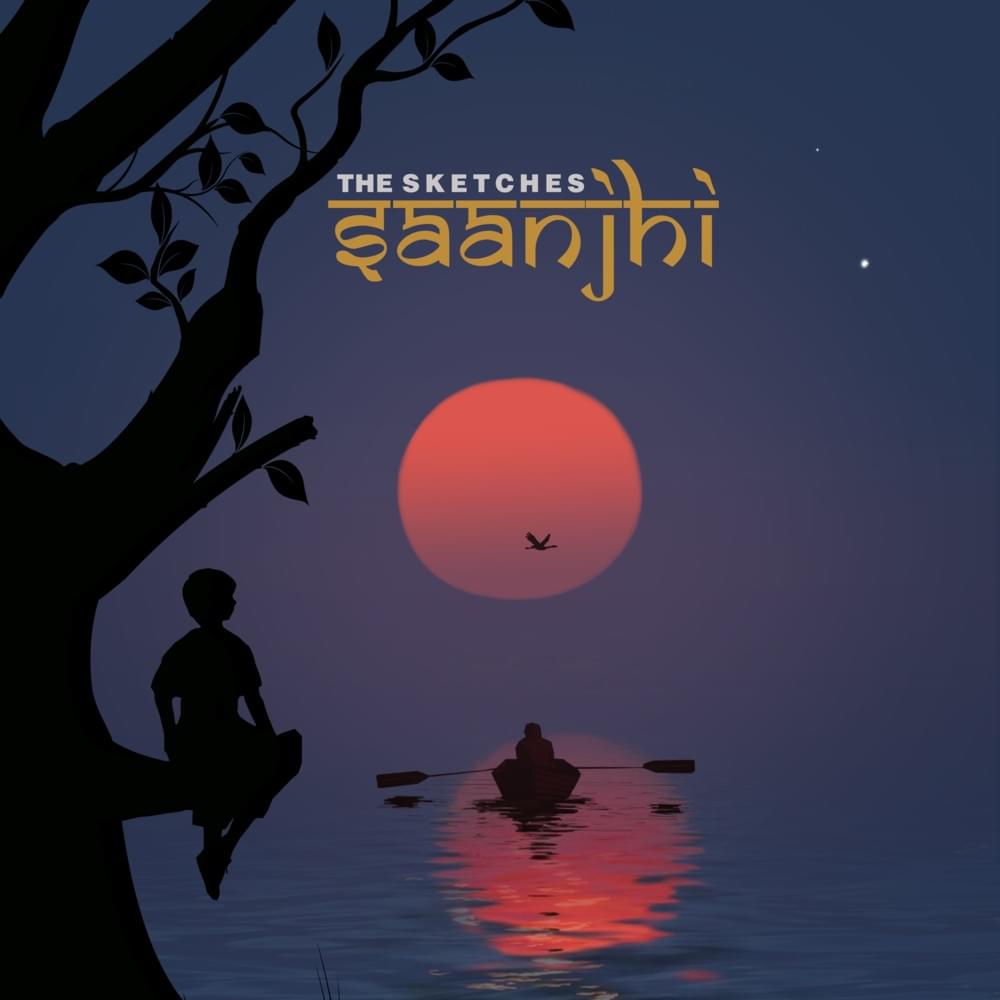
The lyrics employ vivid imagery of night and wakefulness. "Lok suto nindoo Karay / Mueeya Te machra baran" (While people sleep, mosquitoes bite me) highlights the speaker's sleepless state, a testament to their emotional turmoil. This contrasts sharply with the quietude of others, emphasizing the personal intensity of their vigil. The mention of "Sartyoon Shah Latif chaye / Muhinji Akhrin Ojago" (Shah Latif says, my last wakefulness) invokes a sense of profound, perhaps spiritual, waiting, suggesting this longing transcends the ordinary.
This song's power lies in its raw expression of yearning and the juxtaposition of personal devotion against a backdrop of quietude and natural imagery. The repeated refrain, coupled with the specific, almost desperate, pleas and observations, creates an immersive experience of waiting. It’s the feeling of being utterly consumed by the anticipation of a loved one’s presence, even when that presence is described in terms of distance or wilderness.
 View Artist