Song Meaning
The lyrics present a stark, almost desperate imperative: "You got to be a man." This isn't about embracing strength, but about conforming to a rigid, externally imposed definition to avoid "losing." The narrator seems to be grappling with this pressure, possibly directed at themselves or someone close. The repeated phrases "you're gonna lose" and the insistent "you got to be a man" create a sense of inescapable consequence if this standard isn't met. It paints a picture of a life dictated by external judgment and the fear of failure.
The central tension lies in the conflict between this mandated masculinity and a sense of personal agency or perhaps a desire for a different path. The narrator acknowledges a past where they "used to be I'd go anywhere," suggesting a former freedom now contrasted with the present constraint. The lines "Just how much you'll never choose" and "Just how far I'm falling behind" highlight a feeling of lost control and a growing distance from a desired outcome, all tied to this pressure to "be a man." The specific demands – "Give up the one night stand / Quit the smoke, give up the booze" – illustrate the sacrifices demanded by this narrow definition.
The most striking element is the almost hypnotic repetition of "You got to be a man" and "You're gonna lose." This isn't a reasoned argument; it's a mantra of obligation and threat. The phrase "I don't care" followed immediately by "Used to be I'd go anywhere" and "I don't mind" paired with "Just how far I'm falling behind" creates a jarring dissonance. It suggests a forced indifference masking a deep-seated anxiety about the very things the narrator claims not to care about, revealing the internal struggle against the external pressure.
This writing hits hard because it captures the suffocating weight of societal expectations, particularly around traditional masculinity. The raw, repetitive insistence on "being a man" and the dire warning of "losing" bypass complex emotional nuance to deliver a blunt, almost primal fear. The narrator's internal conflict, hinted at through the contrast between past freedom and present constraint, makes the demand feel less like advice and more like a desperate, losing battle against an unyielding force.
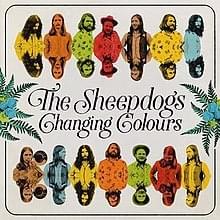
 View Artist