Song Meaning
The narrator feels unfairly confined, pleading for release. They demand freedom, asking, "why don't you turn me loose?" This isn't just about physical liberty; it's a plea for autonomy and the chance to pursue their own ambitions, even if those ambitions seem unconventional, like chasing "the wild goose." The core tension lies in the narrator's perceived injustice versus their underlying hope for eventual liberation and a better future, stating, "I won't be worried long."
The lyrics paint a picture of a system or relationship that is both restrictive and deceptive. The narrator describes themselves as a "counterfeit engraving" and a "one-way number," suggesting a loss of authenticity and individuality within this imposed structure. The repeated phrase "Although it's true I'm worried now / I won't be worried long" acts as a defiant mantra, a persistent belief in overcoming current anxieties and limitations.
A striking element is the narrator's sharp, almost cynical observation of the other party's actions. They accuse the other of "telling stories to the peacocks" and "selling systematically," implying manipulation and superficiality. The plea "Don't tell me no more lies" directly confronts the perceived dishonesty, highlighting the narrator's desire for truth and genuine connection, even while acknowledging their own "company" is desired by the other.
This piece resonates because it captures a universal feeling of being misunderstood and held back by external forces, whether personal relationships or societal pressures. The narrator's persistent, almost stubborn optimism in the face of these frustrations, coupled with their pointed critiques, creates a compelling portrait of resilience. The repeated refrain offers a powerful sense of self-assurance, a quiet promise of eventual freedom and peace.
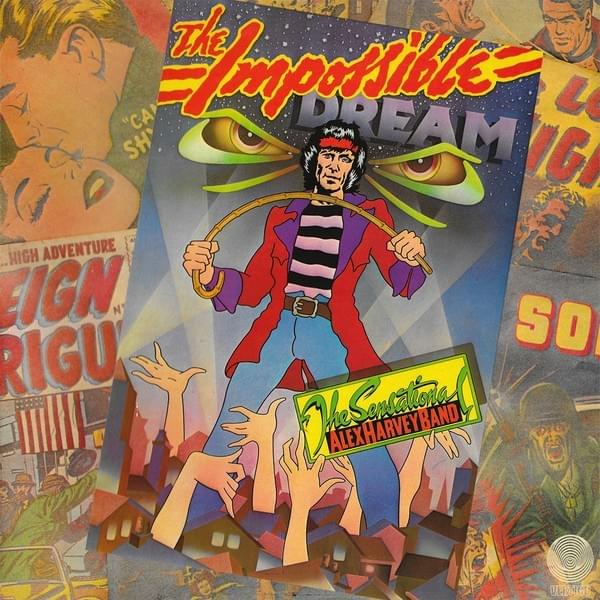
 View Artist