Song Meaning
The sky darkens and the days turn to winter, mirroring the narrator's profound sense of loss. The central image is stark: the beloved is simply 'gone,' a phrase that repeats like a mournful echo throughout the lyrics. This isn't a gentle fading; it's an abrupt departure that has stripped the world of its color and warmth, leaving behind a desolate landscape.
The core tension lies in the contrast between a vibrant past and a bleak present. The narrator recalls "two summers" and "the years of gold and green," a time of "good times" and "good years." This idyllic memory is directly juxtaposed with the current reality of "winter" and "cold" winds, emphasizing the irreversible passage of time and the finality of the separation. The love that once existed is now framed as something that "couldn't hold you," highlighting a sense of powerlessness.
The most striking craft element is the relentless repetition of "you're gone." This isn't just a statement of fact; it becomes a refrain that underscores the narrator's fixation and inability to move past the absence. The cyclical structure, moving from "two summers" to "two winters," and the repetition of "The time between" suggest a longing to recapture that lost period, a wish that "time would stand still." The imagery of "gold and green" evokes a peak of vitality and happiness that now feels irretrievable.
These lyrics hit hard because they capture the raw, disorienting feeling of sudden abandonment. The simple, declarative statements and the overwhelming focus on absence create a palpable sense of emptiness. The narrator isn't dissecting the relationship's end; they are immersed in the immediate, crushing weight of the loss, making the emotional impact feel immediate and deeply personal.
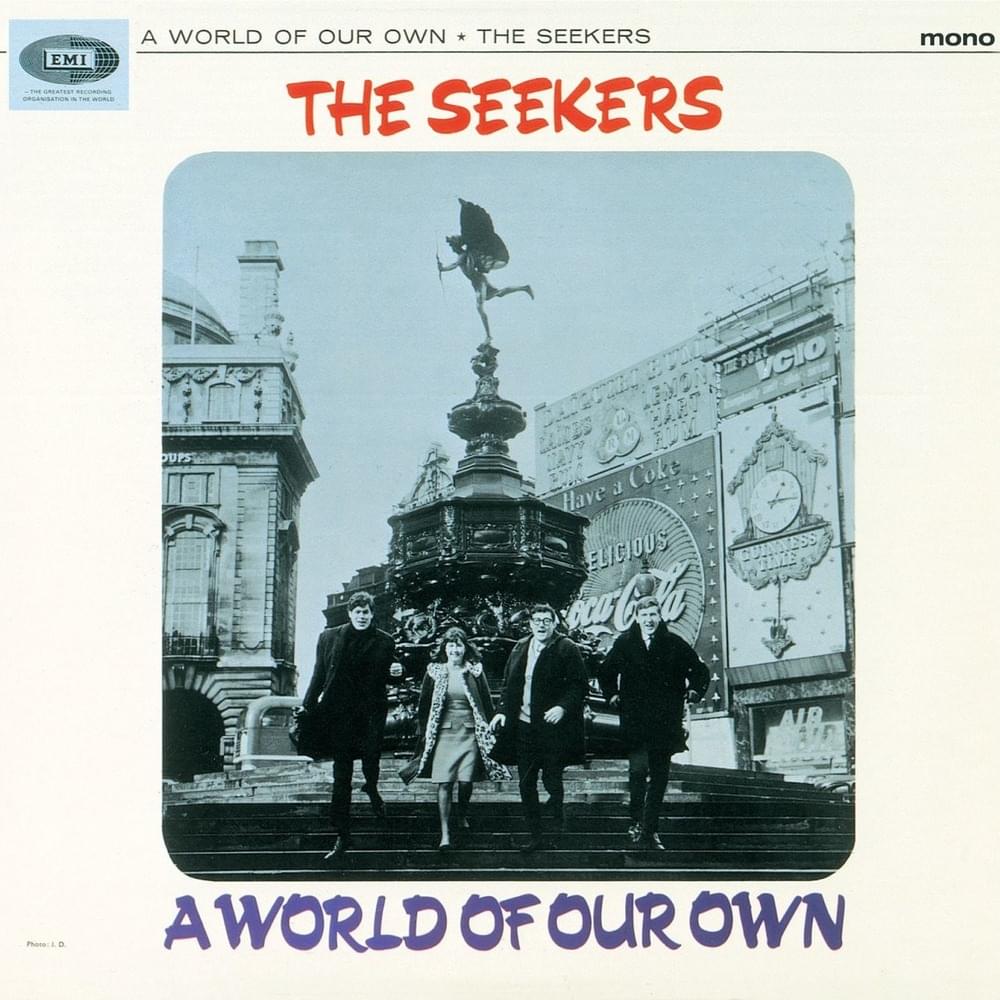
 View Artist