Song Meaning
The lyrics paint a picture of someone clinging to a hopeful delusion after a breakup. The repeated phrase "Someday we're gonna love again" acts as a mantra, a desperate attempt to ward off the pain of separation. The narrator insists they weren't worried, even smiling, but this outward composure seems to mask a deeper, internal certainty that the relationship isn't truly over. This creates an immediate tension between the presented calm and the underlying, insistent hope.
The central conflict lies in the narrator's refusal to accept the finality of the breakup. They tell themselves the departure was temporary, that they could handle it because reunion was inevitable. This belief is reinforced by the partner's statement that their "love hasn't changed," which the narrator seizes upon as proof that the separation is merely a pause, not an end. The repeated affirmation of future love serves as a coping mechanism against the present reality of being apart.
The most striking aspect of the craft is the sheer, overwhelming repetition of the title phrase. It’s not just a hook; it’s the entire lyrical foundation, hammered home with an almost obsessive intensity. This relentless repetition underscores the narrator's fragile optimism, making it feel less like genuine confidence and more like a desperate plea to the universe, or perhaps to themselves, to make it true. The contrast between the narrator's claimed composure and this insistent refrain highlights their internal struggle.
Ultimately, these lyrics resonate because they capture that specific, painful moment after a breakup where hope fights a losing battle against reality. The writing doesn't offer a complex narrative, but instead focuses on the raw, almost childlike insistence that things will be okay, even when evidence might suggest otherwise. The power comes from the sheer force of the repeated phrase, which becomes a testament to the human need to believe in second chances, even when they seem improbable.
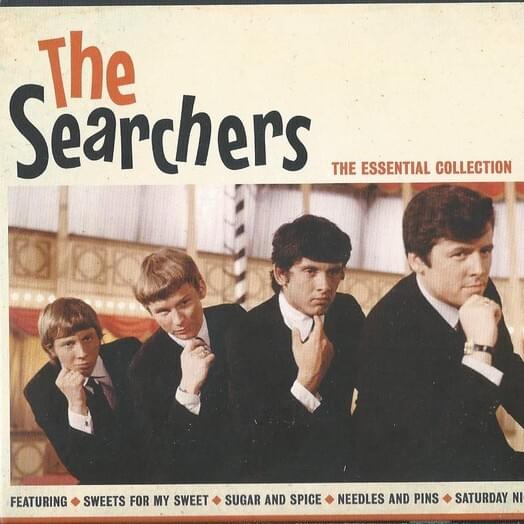
 View Artist