Song Meaning
The narrator opens with a stark confession: "A fool am I, a fool am I, in love." This sets a tone of self-recrimination that permeates the entire piece. The immediate trigger for this admission is the painful sight of a former lover with someone new, an event that directly causes "a tear fell." This initial image establishes the core of the song: a raw, unvarnished expression of heartbreak and regret.
The central conflict arises from the narrator's persistent longing for a lost love, even as they acknowledge the finality of the separation. The lyrics highlight the contrast between the physical tears shed and the deeper, constant ache of missing the person. The narrator admits, "I didn't miss the teardrops but I missed you constantly," suggesting that the emotional void left by the absence is far more significant than the outward display of sadness.
The most striking piece of imagery comes with the "teardrops that you stepped on as you danced across the floor." This powerful metaphor connects the narrator's shed tears to something trivial and easily disregarded by the departing lover. The comparison to a "crushed like my poor heart" drives home the feeling of utter devastation and the perceived callousness of the breakup. The narrator grapples with the finality of the lover's declaration that "the flame in your heart died," questioning if the lost love is as ephemeral as the fallen tears.
Ultimately, the effectiveness of these lyrics lies in their directness and the raw vulnerability they convey. The repeated refrain of "A fool am I, a fool am I, in love" acts as a constant, almost desperate, self-assessment. By grounding the emotional pain in specific, tangible images like fallen tears and a crushed heart, the song creates a potent, albeit melancholic, portrait of love's painful aftermath.
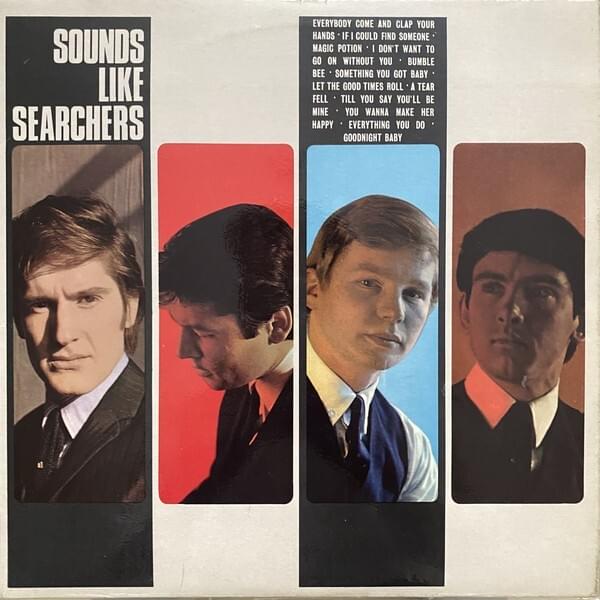
 View Artist