Song Meaning
The lyrics paint a picture of an intense, almost overwhelming attraction. The narrator is captivated by someone who appears under "outlaw lights," suggesting a clandestine or perhaps dangerous setting. This person's smile is the initial spark, igniting a feeling the narrator "can't fight," hinting at a loss of control. The repeated question, "Where you been so long?" underscores a sense of longing and a significant absence, making the current encounter feel both overdue and deeply impactful. The narrator's immediate declaration that the person is "just my style" or "just my kind" solidifies this instant, powerful connection.
The core tension lies in the narrator's physical and emotional reaction to the other person's presence, particularly when their "lights go down." This phrase is ambiguous but suggests a moment of vulnerability, intimacy, or perhaps a shift in the dynamic that triggers a profound response. The narrator "start[s] to tremble" simply when the person is around, indicating a baseline anxiety or excitement. However, the real intensity builds when their "lights go down," leading to a "burn" that feels both consuming and possibly painful, as if the narrator is losing themselves.
The imagery of being a "prisoner" with a "heart's been wrapped in chains" powerfully conveys the inescapable nature of this infatuation. The narrator doesn't expect to "ever be the same," emphasizing the transformative effect of this encounter. The final verse introduces a stark contrast: the narrator's own physical decline ("body's racked and my wheels don't roll") against the other person's striking appearance ("dressed up / And you look just fine"). This juxtaposition highlights the narrator's desperate state, living "on borrowed time," yet still finding a flicker of life or purpose in this person's presence, even as it seems to hasten their own end.
What makes these lyrics resonate is the raw depiction of an all-consuming obsession that borders on self-destruction. The contrast between the narrator's internal turmoil and the other person's seemingly effortless allure creates a compelling dynamic. The repeated "When your lights go down" acts as a powerful refrain, marking the peak of this emotional and physical surrender, leaving the listener with a sense of awe at the intensity of such a connection, even as it portends doom.
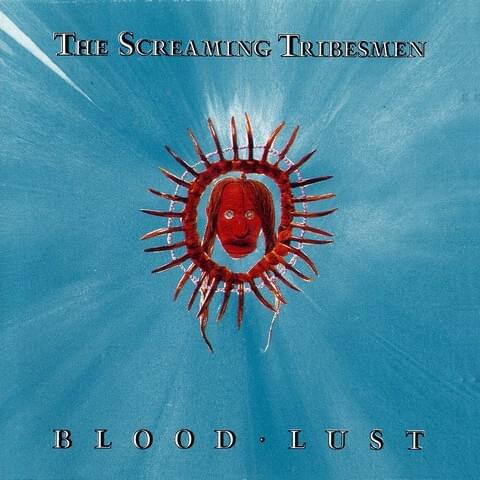
 View Artist