Song Meaning
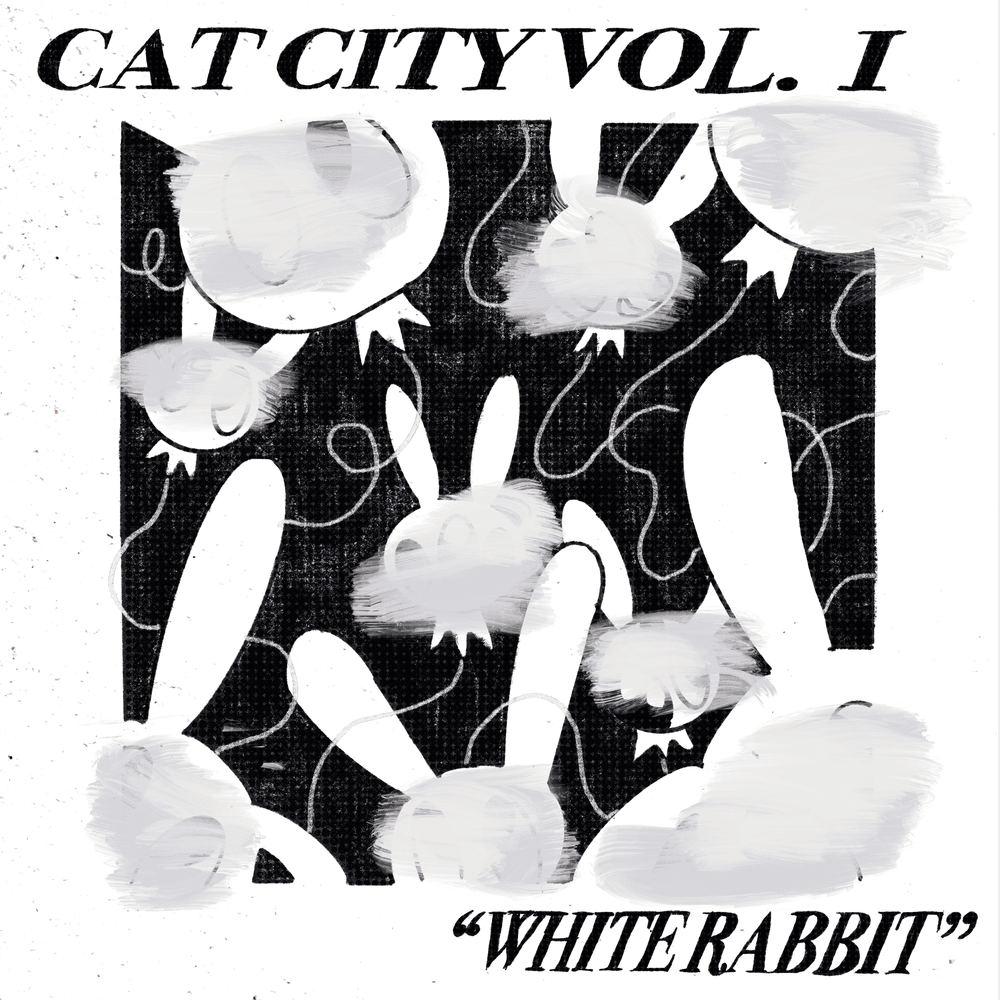
The narrator describes a profound disconnect from their own identity, presenting a face that's been deliberately altered. They've "painted my face to be a blank space," suggesting a desire to erase or obscure their true self, finding solace, or at least a form of stability, in a "monster" that has taken root. This transformation is so complete that the reflection in the mirror is no longer recognizable as their own, leading to a desperate plea for forgiveness from friends because they "wasn't myself."
The central tension lies in this struggle for self-recognition and the desperate search for an authentic existence. The "happy place that melts in the sun" implies a fleeting, perhaps idealized, state of being that is unattainable or unsustainable. The repeated question, "Is that the real me?" underscores the profound confusion and the fear that the constructed persona has become the only reality, leaving the original self lost or inaccessible.
The most striking aspect of the lyrics is the stark imagery of a painted face and a "monster" in the mirror. This isn't just about feeling down; it's about a fundamental disassociation where the external presentation has become a deliberate mask, a defense mechanism that has seemingly taken over. The narrator's faith is placed in this monstrous facade, highlighting a deep-seated belief that this altered state is more stable or perhaps more survivable than their true self.
This lyrical construction is effective because it taps into a primal fear of losing oneself. The direct address to friends and the repeated apologies emphasize the social consequences of this internal crisis. The simple, almost childlike language, combined with the disturbing imagery, creates a powerful sense of vulnerability and dread, making the narrator's existential crisis feel immediate and deeply unsettling.
 View Artist