Song Meaning
The lyrics paint a stark picture of a relationship's final moments, beginning with a loaded encounter at a train station. The narrator immediately senses his partner has been with another man, a realization that doesn't come from words but from her "eyes." This unspoken understanding sets a somber tone, suggesting a history of infidelity or at least a deep-seated distrust that has finally surfaced.
The central tension lies in the narrator's resigned acceptance of his partner's departure and infidelity. He acknowledges she "had me gone a long time," implying a significant emotional investment, but this was "just long enough to put me down." The repetition of this phrase hammers home the feeling of being used and ultimately discarded. His decision to leave is framed not as anger, but as a logical consequence: "She don't love me no more / So I guess there's no sense in stayin' around."
The most striking aspect of the writing is its economy of language and the narrator's passive, almost detached perspective. He doesn't confront or plead; he simply observes and understands. The repeated image of the "station" serves as a literal and metaphorical endpoint, a place of arrival and departure. The final lines, "I guess it's like they say / Every good thing must have an end," transform a personal heartbreak into a seemingly universal truth, delivered with a quiet, weary finality.
This lyrical approach is effective because it mirrors the emotional numbness that often accompanies the end of a painful relationship. The lack of dramatic outbursts or accusations makes the narrator's quiet surrender feel profoundly sad. It’s the quiet implosion of love, where understanding arrives not with a bang, but with a silent, knowing glance and the sound of a train pulling away.
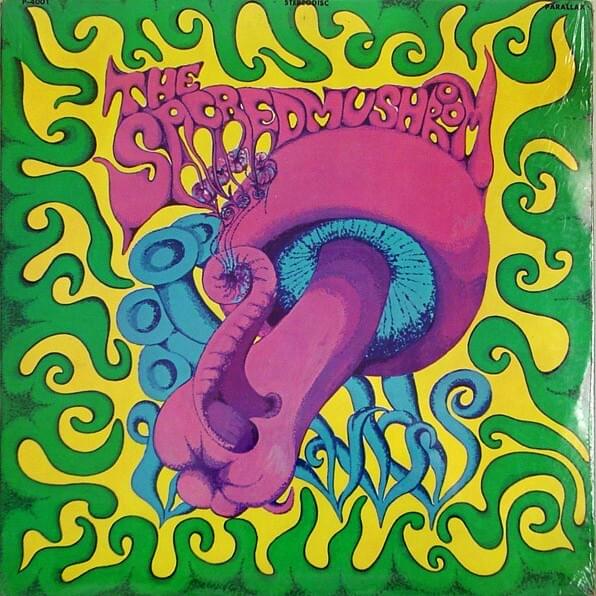
 View Artist