Song Meaning
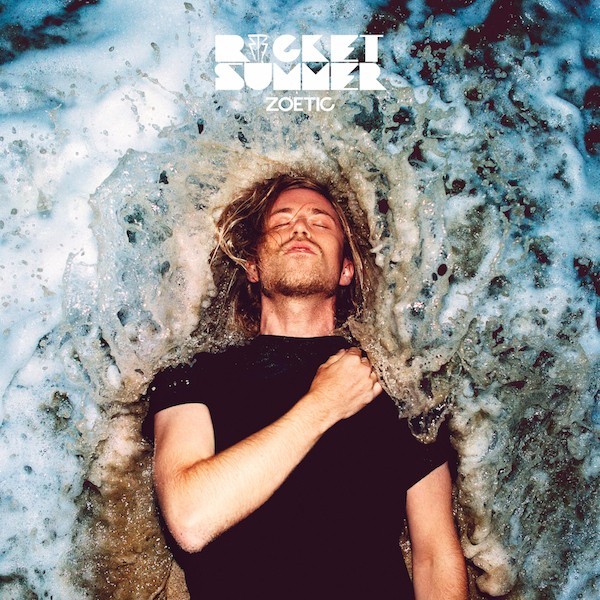
The Rocket Summer's "Get Over It" isn't a breezy dismissal, but a raw, internal battle cry. The song plunges directly into the messy aftermath of some undefined emotional wreckage. Jordan Brush, the creative force behind The Rocket Summer, doesn’t bother with exposition; instead, he throws us headfirst into the cyclical torment of overthinking. The opening lines – "Was it mistake? Was it fate?" – capture the agonizing ambiguity that often accompanies heartbreak or betrayal. The lyrics quickly establish a mind trapped in obsessive replay, where the past isn't just remembered, but relived with torturous clarity. It's a mental loop vividly illustrated by the metaphor of a "broken record" stuck on repeat, relentlessly urging, "Get over it."
But the track's genius lies in its self-awareness. Brush acknowledges the futility of dwelling, yet vividly portrays the difficulty of escaping the mental quicksand. The lines "You can fact check, beat a dead horse / And dig deeper and down" speak to the self-destructive urge to dissect every detail of a painful experience, only to find oneself more entrenched in it. There’s a subtle, but profound, shift in perspective with the line "I was wrongfully treated indeed... or was it me?" This hints at a deeper exploration of personal responsibility and the uncomfortable possibility that blame isn't always external. It's a mature acknowledgement that healing requires more than just assigning fault.
The insistent repetition of "Get over it" transforms from a dismissive phrase into a mantra of self-encouragement, albeit one laced with frustration and a hint of desperation. The final verse, "I should dwell somewhere else on beautiful things / Stop thinking, stop sinking, stop digging and get over it," underscores the aspiration for emotional freedom, even as the repetitive structure of the song mirrors the very mental trap it seeks to escape. In essence, "Get Over It" is an honest and vulnerable portrayal of the struggle to move on, not a simple instruction on how to do it. It's a testament to the messy, non-linear process of healing and self-discovery.
 View Artist