Song Meaning
The narrator reflects on a past relationship that feels fundamentally unbalanced, questioning how they could have invested so deeply in someone who consistently withheld affection. Despite the years that have passed and the recognition that this love was ultimately "so wrong," a persistent memory lingers, altering their perception of love itself. The lyrics paint a picture of a love that, while flawed, was deeply ingrained in the narrator's mind, presented as a unique, almost fated connection.
This past relationship is framed as a pivotal, unexpected opportunity – "my one more chance I never thought I'd find." The narrator seems to have projected an idealized version of romance onto this person, believing they had found the singular love meant for them. This intense focus on the other person's significance is underscored by the repeated assertion that "No one will ever touch me more," highlighting a profound, almost exclusive emotional impact.
The core tension lies in the narrator's hopeful, almost desperate, desire to believe they have reciprocated this profound impact. The repeated phrase "I might've saved the best of me for you" carries a heavy weight of uncertainty and longing. It suggests a fear that their own offering might not have been enough, or that the relationship's eventual failure (implied by the past tense reflection) means this sacrifice was in vain. The final lines, "No matter how much we have to learn / I've saved the best of me for you," shift slightly, introducing a conditional hope for the future, but the underlying vulnerability remains.
What makes these lyrics resonate is the raw, almost painful honesty about the lingering effects of a flawed but significant past love. The contrast between the narrator's deep investment and the perceived lack of reciprocation creates a palpable sense of emotional imbalance. The repeated, almost pleading, declaration of having "saved the best of me" reveals a deep-seated need for validation and a fear of having given too much to someone who couldn't fully receive it, making the past feel both cherished and deeply regretted.
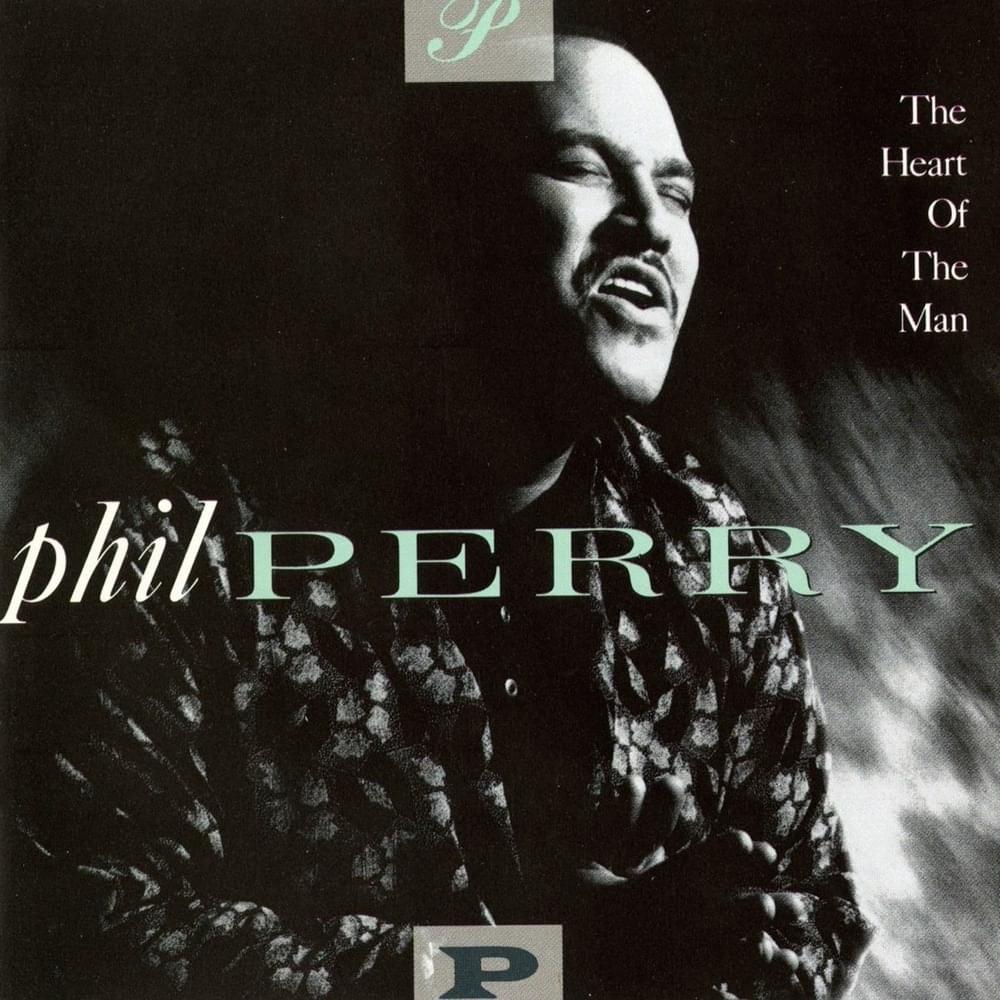
 View Artist