Song Meaning
The lyrics paint a picture of a relationship that has drastically shifted from its initial state. The opening lines set a scene of reflection, with the narrator observing a "bright blue" light and the past still "in view." This suggests a moment of pause, where the narrator is confronted with how far things have strayed from their origin. The contrast between the past eagerness, "You stop at nothing at your first chance," and the present reality, "Now it's nothing like when it began," establishes the core tension.
The central conflict seems to be the narrator's loss of agency and the transformation of their role within the relationship. Initially, there was a sense of equality or perhaps even the other person's eagerness. Now, the narrator feels compelled to perform, "I dance, try to make you laugh," and act as a subordinate, "a king at your command." The repeated phrase "when it began" acts as a mournful refrain, highlighting the stark difference between then and now.
The lyrics employ a fascinating juxtaposition of courtly imagery with a more intimate, almost transactional dynamic. The "queen" and "jester" metaphor, where the queen "plays off with their heads and on with my pants," is particularly striking. It suggests a power imbalance where the narrator is reduced to a plaything, their dignity compromised for the queen's amusement or desire. This contrasts sharply with the earlier declaration, "I never had to bow to you when we began."
This shift from a seemingly equal or even reversed dynamic to one of subservience is what gives the lyrics their emotional weight. The narrator's ability to "understand" silence and the command to play a tune, while perhaps a sign of adaptation, also underscores a profound sense of resignation. The repeated emphasis on "when it began" isn't just nostalgia; it's a lament for a lost sense of self and partnership.
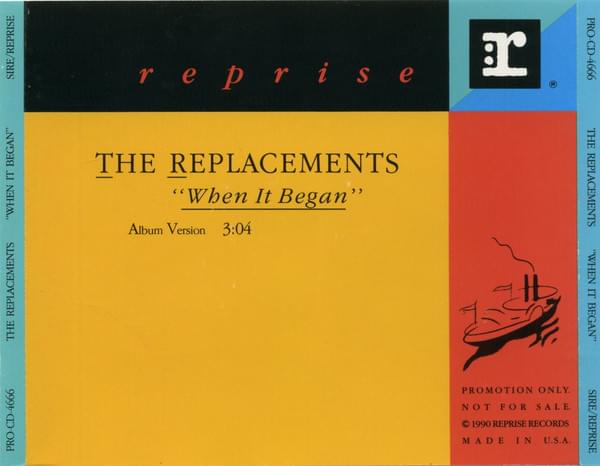
 View Artist