Song Meaning
The narrator opens with a stark declaration of desperation, listing immediate, drastic actions: "hide," "run," and even "suicide." Yet, this intense opening is immediately undercut by a dismissive "well, that ain't no fun," revealing a performative, almost flippant approach to their own dire situation. This sets a tone of chaotic, self-destructive energy that feels more like a tantrum than a genuine cry for help.
The central tension hinges on a perceived imbalance in a relationship. The narrator is "in trouble" because the other person "won't ever say that it's so" – implying a refusal to acknowledge mutual feelings or a commitment. This ambiguity fuels the narrator's distress, making their own involvement feel like a trap. The repeated phrase "You're in love and I'm in trouble" acts as a desperate refrain, highlighting the perceived unfairness of the situation.
The most striking aspect is the juxtaposition of extreme emotional states with mundane actions and a lack of genuine consequence. The narrator claims to "spend my cash, waste my time" and "take out the trash," only to pivot with "not this time," suggesting a sudden, albeit temporary, defiance. This contrast between grand pronouncements of doom and everyday chores underscores a sense of arrested development or an inability to truly confront their problems.
Ultimately, the lyrics resonate because they capture a specific kind of chaotic, self-sabotaging emotional state. The repeated, almost chanted "I'm in, you're in / Trouble!" transforms the personal crisis into a shared, almost celebratory descent into chaos. It's less about finding a solution and more about reveling in the dramatic intensity of being "in trouble," even when the cause is unclear and the proposed solutions are absurd.
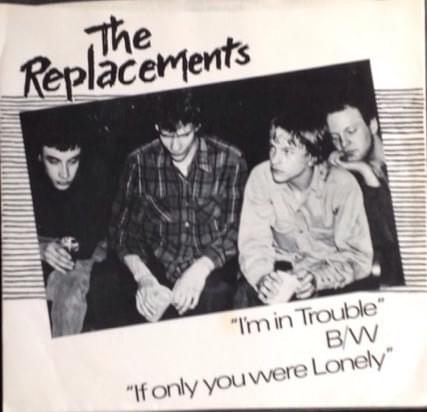
 View Artist